Cascadia today: Trump slashes Hanford cleanup + fatal fungus killing Cascadia bats + Seattle's punk rock flea market

Good afternoon from Olympia, the city where you can't be discriminated against in housing or employment if you're polyamorous! (I talked about this recently on the CityCast Seattle podast this week – have a listen.)


I'm traveling across western Cascadia by Amtrak Cascades this week spreading the word about Cascadia autonomy, Cascadia Democratic Action, and Cascadia Journal. Next up: Vancouver, WA, Portland, and Eugene!
Do you appreciate Cascadia Journal's exclusive reporting on the ways the Pacific Northwest is pushing back against US fascism? If you have the means, please consider a paid subscription of just $5 per month. Each subscription helps me produce original reporting and opinionated notes on Cascadia's fight to build a more resilient and autonomous bioregion. And to those who already subscribe, thank you! --Andrew
Trump proposes $400 million cut to Hanford cleanup
NBC Tri-Cites reports that the Trump regime has proposed a $400 million cut to the Dept of Energy's cleanup of the highly toxic Hanford nuclear site. US senator Patty Murray lashed out at the proposal, calling it "a slap in the face to the Tri-Cities." Even Republican US rep Dan Newhouse of central Washington was critical, noting that he would work to "ensure the federal government abide by its commitments to the mission and Tri-Party agreement.” The Hanford nuclear site is North America's largest and most toxic environmental cleanup site.
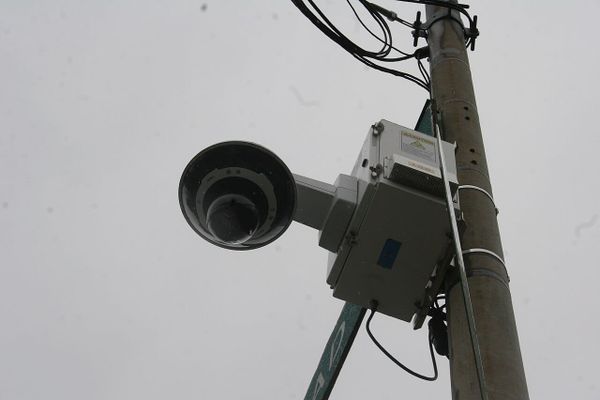
To surveil or not to surveil in Seattle
The South Seattle Emerald looks at the debate over police surveillance cameras in the city, with some members of the city's Black community arguing SPD needs the cameras to reduce youth gun violence, and privacy and civil right groups saying the cams don't lead to an increase in solved crimes and threaten the rights of people of color.
"The limited amount of money that goes into our community goes into these surveillance systems," Danh said. "That money that goes to the [cameras] should be put back into the community … so that we don't have to rely on [other means] in order to get our basic needs met." --Rata Danh, CID Coalition
Feds approve FEMA money for Cascadia storm damage
Jefferson Public Radio reports that the Trump regime has approved FEMA disaster funds for Oregon after damaging winter storms. KUOW reports that FEMA also approved funds for recovery from Washington's winter flooding. The approval marks a welcome change from the feds' clawback of funding to punish blue states.
Seattle makes lakeside road car-free on weekends
Seattle Bike Blog reports on Seattle mayor Katie Wilson's new plan to make Lake Washington Blvd open only to bikes, walking, and rolling on most summer weekends – a reversal from the previous mayor's reluctance to stop cars in his high-priced neighborhood. The Urbanist has more on Katie Wilson's welcome War on Cars.
Fungus fatal to bats spreads across Cascadia
The Tyee reports on the spread of Pseudogymnoascus destructans (Pd) a fungal infection that is killing off millions of bats in British Columbia and across North America. The fungus was recently detected in Oregon for the first time, and was detected in bats in Washington in 2024. According to the Tyee, the pandemic has killed of 90% of three species of bats in Canada. Researchers at Thompson Rivers University in Kamploops are testing a probiotic treatment that is showing promising results at curing bats infected with the "white nose" fungus.
Seattle's punk rock flea market reclaims city's soul
The Guardian reports on Seattle's amazing punk rock flea market, fighting gentrification and bougie culture in a shuttered grocery store in the city's Capitol Hill neighborhood. It's a place for urban hipster crafts, found treasures, and anarchist zines.
“There’s no amount of money that could replace the culture that we’ve created for ourselves,” Josh Okrent, punk rock flea market founder
--Thanks for reading. Keep loving and keep fighting! --Andy