Cascadia today: First Nations to fight pipeline + Portlanders still sleep on streets + a new book celebrating Haida artist
Good morning friends. It's Giving Tuesday, and so I'll just make a quick ask. If you appreciate this newsletter and my opinionated commentary on Cascadia's efforts to build a more resilient bioregion and pushback against fascism, please consider buying a paid membership. It's just $5 a month or $50 per year. Thanks! --AE
First Nations prepare for another BC pipeline battle
After Canadian Prime Minister Mark Carney and Alberta's premier Danielle Smith last week signed an agreement with the goal of constructing a new, climate-killing oil pipeline to northern British Columbia, APTN News reports that First Nations leader syoung and old are gearing up for yet another fight that could involve blockades and legal challenges. The Narwhal looks in depth at the pipeline deal and some hurdles that could block it – including Indigenous consultation and a 1972 ban on oil tankers in north BC waters.
The agreement, which neglected to involve the BC government or Indigenous leaders, makes it clear that British Columbia needs to eventually be part of an autonomous Cascadia bioregion.
Portland mayor fails to meet goal ending unsheltered sleeping
OPB looks at Portland mayor Keith Wilson's self-imposed deadline of December 1 to offer enough shelter beds in the city to eliminate sleeping on the streets – and while Wilson opened an additional 890 shelter beds, many are still sleeping outside. Meanwhile, thanks to federal cuts, a Multnomah county voucher program that helps low income people pay rent is $35 million in the red and needs to lay off staff and cut services. And Street Roots looks at a successful program turning former motels into shelters – but as always, lack of funds is holding the the program back.
Let's be clear – Cascadia is no longer able to depend on the feds to help solve our regional problems, whether its homelessness, transportation, or universal health care. The path forward is independence – no longer paying billions of our hard-earned dollars for bogus wars and a mass deportation campaign.

The slow pace building Seattle's rapid ride network
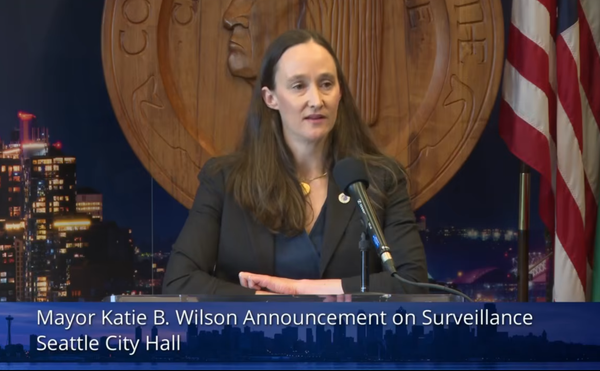
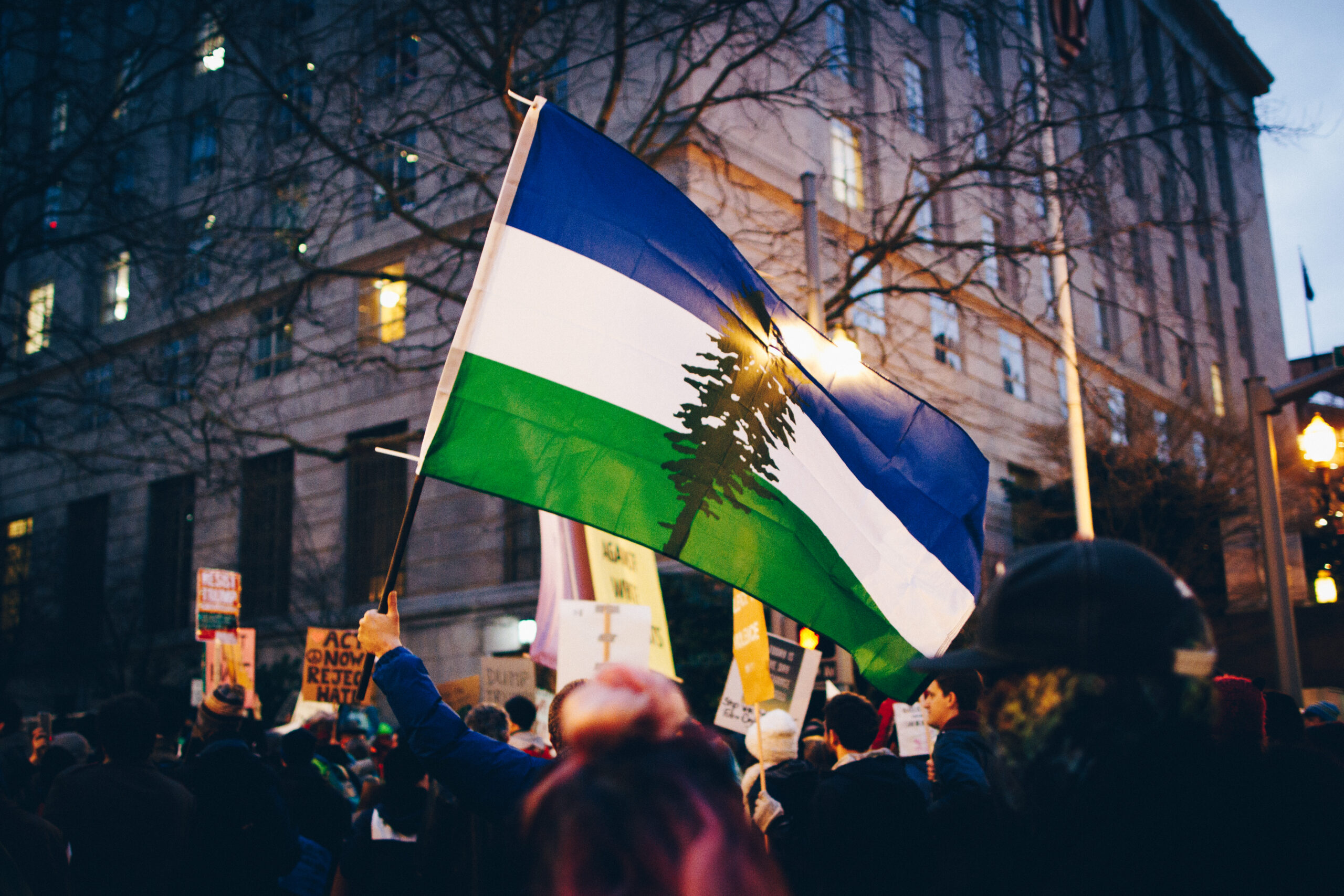
The Urbanist takes a deep dive into the effort to expand Seattle's rapid ride bus network – and finds the pace of planning and construction is anything but rapid. New lines in the south end and across the county are well behind schedule – for instance, the important R Line in the south end's Rainier Valley won't be complete until 2032! Meanwhile, Seattle Neighborhood Greenways lays out their vision of how new mayor Katie Wilson can hit the ground running on pedestrian safety, climate-friendly transportation and walkable neighborhoods.
How a coastal Oregon town pushed back against the feds
Oregon Capital Chronicle has a detailed look at how homegrown activists in Newport, Oregon fought off a proposed ICE facility and are insisting the Coast Guard return a needed rescue helicopter to the coastal town. Meanwhile, the city of Hillsboro declared a state of emergency and residents have come together to resist ICE abductions in the Portland suburb.
If you're interested in helping ICE monitoring efforts in the greater Seattle and Portland areas, Cascadia Democratic Action is having its first organizing meeting online at 4:30 pm Thursday, December 4. Email cascadiademocratic@protonmail.com to RSVP and receive a meeting link.
New book on Haida artist 7IDANsuu James Hart
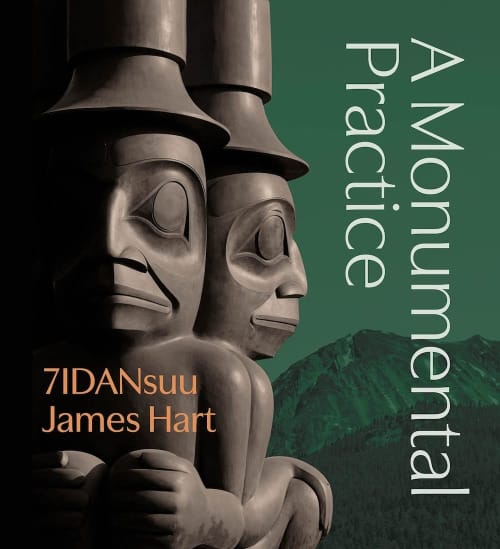
The Tyee reviews a new art book chronicling the life and sculpture of acclaimed Haida artist 7IDANsuu James Hart. Hart's massive carvings, sculptures, and other multi-media works are magnificent, and the book also describes how art is incorporated into every aspect of Haida society.
Thanks for reading! --Andrew