Cascadia today: OR acts to move renewables forward + flood damage in north BC + zines spark resistance

Good morning! I hope you've appreciated Cascadia Journal in 2025. If you did, please consider purchasing a paid subscription to this newsletter for just $5 per month. Your contributions help me continue to produce this opinionated roundup of news from across the Cascadia bioregion and to expand to original journalism in 2026. Thanks!
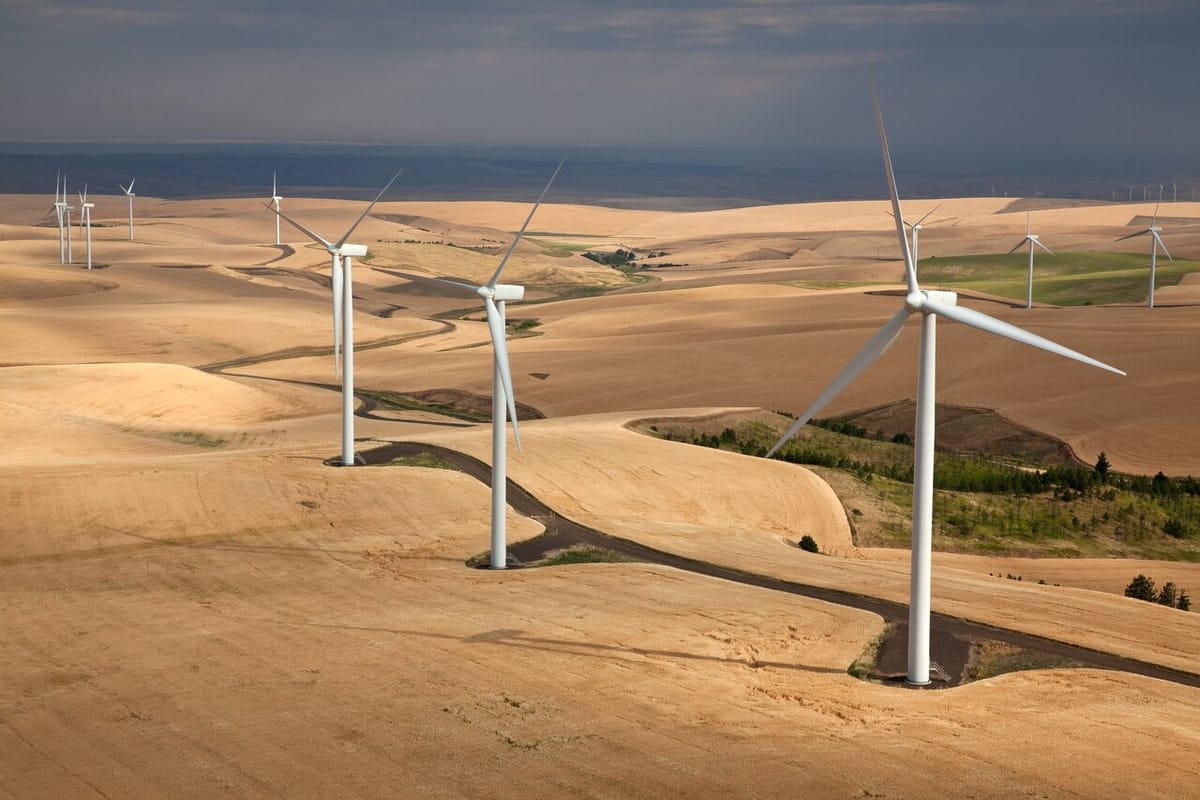
OR takes steps to move green energy forward
Earlier this year OPB and ProPublica reported that over the past ten years, Oregon and Washington are ranked 47th and 50th among states in developing renewable energy. In a follow-up article, they note that Oregon governor Tina Kotek has signed executive orders aiming to speed up development and improve transmission lines, and Washington governor Bob Ferguson appointed a working group that's looking at the transmission line problem, especially bottlenecks with the Bonneville Power Administration. (I wrote last year for Columbia Insight about how BPA is looking to increase transmission capacity, but has been criticized for excessive pesticide use.)
Both states need to fast-track wind and solar energy projects – and in Washington, we should use carbon tax revenue for these and other climate action projects including transit. We should not be using those revenues, as Ferguson has proposed, to backfill holes in the general state budget.
Is BC's TransMountain pipeline profitable?
The Tyee looks at whether or not the TransMountain pipeline across British Columbia, which cost $34 billion to build and is now owned by the Canadian government, is actually turning a profit. Thanks to some accounting tricks and an interest-free loan from the government, officials claim the pipeline, completed in 2024, is now making a profit – but others question this claim and note that demand for Chinese petroleum (the pipeline's number one customer) will decline after 2027 as more electric cars come on the market.
Racial disparities in WA state patrol stops
Washington State Standard reports that racial disparities continue to exist in Washington State patrol stops and an searches, despite efforts to make those stops less discriminatory. In related news, the Portland Mercury reports that despite intervention by the US Department of Justice, Portland Police Bureau continues to kill people in mental health crisis at a high rate.
Flooding damages roads in Haida Gwaii, north BC
CBC notes that another atmospheric river in Cascadia has caused road washouts in Haida Gwaii and the northern BC coast. This, as Cascadia experienced the warmest autumn on record, and the likely the warmest December as well.
For more on how Cascadia can work across borders to become more resilient in the face of climate change, read the Blueprint for a Resilient Cascadia report, issued in 2022 by the Cascadia Partner Forum and the University of Washington Climate Impacts Group.
Zines continue to spark resistance in Cascadia
Willamette Week looks at the revival of an old tradition aimed at resistance: the 8-page zine. The article looks at a new crop of zines intended to push back against fascism in Portland, including How to Report ICE by Megan Piontkowski and An Anarchist Introduction to Critical Race Theory. You can find them at little libraries across town or the zine library at Portland Community College's Cascade campus.
Thanks for reading! --Andrew