Seattle Central College Plans to Close Wood Tech Center Programs and Sell the Building - Sign on your support to stop this! (Deadline to sign on: Friday, March 27 @ 10am)
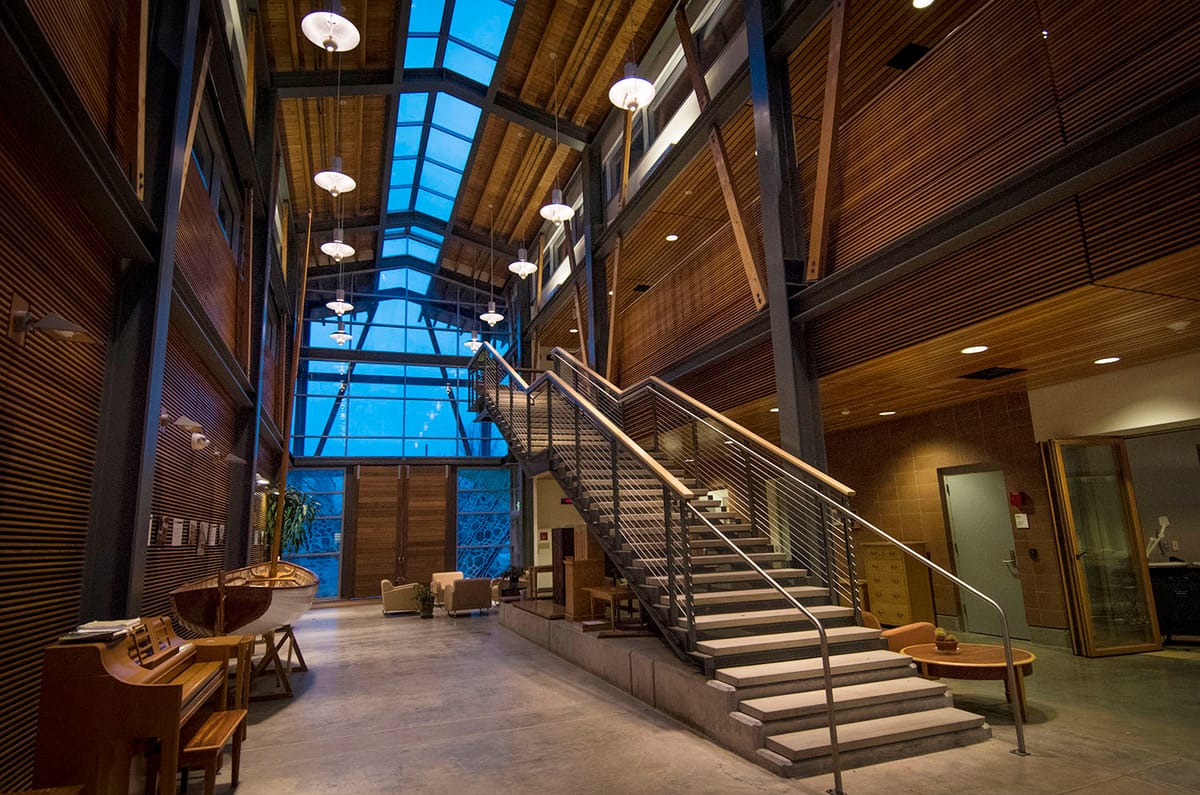
Faculty learned late on Thursday that Seattle Central College’s Wood Technology Center programs (Carpentry, Boat Building, and Pre-Apprenticeship Construction Training/PACT) - and its building in Seattle’s Central Area - are on the chopping block. The Seattle Central College President and the District Chancellor, with the district’s Board of Trustees, announced an official “state of emergency” on Wednesday based on a budget crisis. This allows the Colleges to close programs, waive contract agreements, and terminate tenured faculty. Part of the plan to balance the Seattle Colleges’ budget deficit is to close WTC programs and sell the building. This proposal is a result of a very local budget crisis caused by fiscal mismanagement and budget chaos at Seattle Central College specifically and at the Seattle Colleges District overall. Right now it’s not even clear that Seattle Central College has a definitive accounting of its budget and deficit. It is true that the state budget and rising costs are posing grave threats to technical education programs at community and technical colleges across Washington. Yet the fiscal and leadership problems at Seattle Central College are unique -- and closing Wood Tech Center is not a solution to this longterm crisis. Across the state, programs with low enrollment, high operating costs, uncertain future employment, or low wages for graduates are at particular risk. WTC/PACT’s programs face none of those problems - in fact, WTC programs are at full student capacity and have waitlists; jobs for WTC’s highly trained workers are plentiful; apprenticeships are looking for enrollees, and jobs are well-paid. Selling an irreplaceable building that is custom-designed to support construction workforce training is no reason to end programs that have been training builders in our community for nearly 90 years. In response, WTC organizers are urging our industry partners - once again - to speak up to protect WTC/PACT programs. We are urging College leaders to provide an accounting of Seattle Colleges’ true budget deficit; conduct a full audit of the Seattle Central College, and an assessment of WTC’s viability and impact on local industries’ workforce needs before making any decisions affecting student enrollment, faculty teaching, and the WTC property.
We have THREE requests for industry busineses, unions, and organizations: 1. Sign on your business/organization to the letter below (before Friday, March 27 @ 10am) that will be sent to college leaders before the Board of Trustees meeting on Monday, March 30; 2. Send a personalized letter (using some of the info below) to the same college leaders before their meeting on March 30 @ noon;
3. Share the link to this letter with your networks and urge them to sign on and send letters!
------------------------------------------------------------------
TO: Seattle Colleges Board of Trustees
Our companies and organizations value our long-standing partnerships with Seattle Central College’s Wood Technology Center programs because our industries need skilled builders, especially carpenters, boat builders, cabinetmakers, and qualified apprentices. For almost 90 years, the Carpentry and Boatbuilding programs at Wood Technology Center (WTC) have been the most trusted source for well-trained, highly skilled workers for our trades. WTC’s Pre-Apprenticeship Construction Training (PACT) program has a long and valued role in the Central Area providing the training needed for workers, especially people of color, to enter a wide range of construction industry apprenticeship programs and begin their union careers. Our companies and unions hire WTC graduates for these reasons - in fact, many of our company and union leaders are WTC graduates. Our state’s economy remains strong and construction demands are only increasing, in both the residential/private sector and the commercial and public sectors - especially housing, which WTC is uniquely responsive to. Yet our state budget has been hard hit, especially for community and technical colleges. Even more challenging is the apparent budget deficit at Seattle Central College (SCC) once again. Three years ago, it was widely reported SCC had a budget deficit and several technical programs were on the chopping block, including WTC. Fortunately, before final decisions were made about program closures, SCC reported they radically miscalcuted the deficit, so WTC continued largely (but not entirely) intact. Now, SCC seems to be facing yet another uncertain budget deficit. And again, on the chopping block are WTC’s programs that provide hands-on, job training skills and workforce development in industries with significant worker needs and meaningful, well-paid career opportunities in fields that cannot be replaced by AI or unskilled labor.
WTC graduates get comprehensive and extensive training on a wide variety of technical skills, sustainable building practices, as well as safety training. As a result of WTC’s training, PACT graduates have priority to enter the union of their choice and begin their advanced training immediately, and the other WTC graduates can be successful the first week on the job and qualified to earn a highly competitive wage. Just as important as WTC graduates’ technical skills, the program design, curriculum and teaching approach at WTC ensures that their students develop critical thinking and problem-solving skills which put them head and shoulders above many other job candidates. WTC’s graduates have incredibly diverse life and work experiences which make them valuable team members for our companies. On average, WTC/PACT’s student body is approximately 65% first time college degree earners, almost 50% women, 40% students of color, and nearly 25% veterans. This diversity may be representative of Seattle area community colleges, but certainly not the workforce in the trades: WTC has created a curriculum and a school community that open the doors to careers that have been historically closed to our students. WTC programs are in high demand, with waitlists for enrollment, and students successfully complete their training at high rates. Graduates bring great project management skills, a strong work ethic, team skills, and new perspectives to our companies and unions. Combined, the training and support they get from WTC make them not just valuable new hires, but often means they quickly gain leadership positions within our companies and advance their careers, or they enter the union training programs with a significant advantage for advancement. All of these reasons are why we work together to harness our mutual assets to help ensure the workforce that WTC/PACT trains is the workforce we need. In our industries, it matters that skilled workers stay in the field; WTC graduates have invested time in their training, find work or placements easily, and typically stay in the building and construction trades for many years. This is exactly what employers need and value about WTC/PACT’s role in our industries.
Over the years, we have worked together with WTC faculty and administration to support the multiple programs’ missions and ensure our industries can continue to be able to count on WTC. We have contributed our time, expertise, and resources to WTC: we donate tools and materials and funds; we fund scholarships for students to be able to complete their chosen training program; we offer workshops that complement curriculum taught by faculty, and we serve as members of WTC’s Technical Advisory Committee. Perhaps most frustratingly, many of us have also served on multiple taskforces over the years to advise the ever-changing leadership at SCC on strategies to stabilize and strengthen WTC --- yet there is no committments or follow through by college leaders, who later say WTC is not sustainable.. And once again, with no efforts to harness our industry resources and follow any of SCC’s own strategic plans for WTC, the College is trying to close these programs that are successfully training workers and meeting our workforce needs. We are committed to WTC/PACT. But we need to hear that Seattle Colleges leadership is also committed to these programs, because they are invaluable to building Washington’s future - literally. We are gravely concerned that ongoing financial mismanagement by Seattle Colleges and SCC, on top of a state budget crisis, may needlessly shutter these critical programs - and use the proceeds of a building sale to provide only a termporary solution to ongoing fiscal mismanagement. We want Seattle Central College and WTC to be stable, efficient and effective. Yet it would be irresponsible of Seattle Colleges’ Board of Trustees to move forward with this plan to close WTC programs and sell its building without full information about fiscal risks and benefits, and a solid understanding of the potential value of WTC/PACT programs and property to our industries and to workers. As taxpayers and as WTC industry partners, we expect transparent decision-making from the Seattle Colleges’ Board of Trustees and college leaders. Trustees must provide a public accounting of the Seattle Colleges’ true budget status; a full audit of the Seattle Central College; and, a comprehensive assessment of all of Wood Technology Center programs’ capacities and contributions to the workforce needs - including how SCC has responded to past strategic plans and industry feedback initiatives - as well as a full audit of WTC program budgets, enrollment, and philanthropic investments over the past few years. Until then, SCC and the Seattle Colleges District must suspend any decisions that would affect ongoing WTC student enrollment and faculty capacity to continue to teach the curricula been approved by industry. In addition, the WTC campus must not be listed, sold, or transferred, nor any portion rented to new programs or institutions not related to the mission and function of WTC’s current programs. Signed, [businesses/organizations that respond to the questions below] SEND YOUR OWN PERSONALIZED LETTER TO (deadline: Monday, March 30 @ 9am before the Board of Trustee meeting on Monday 3/30 at noon): TO: Seattle Colleges Board of Trustees members: Louise.Chernin@seattlecolleges.edu Colleen.Echohawk@seattlecolleges.edu
Teresita.Batayola@seattlecolleges.edu
Rosa.Peralta@seattlecolleges.edu
Shannon.Braddock@seattlecolleges.edu
CC: Chantae Recasner, President - Seattle Central College (Chantae.Recasner@seattlecolleges.edu) Rosie Rimando-Chareunsup, Chancellor - Seattle Colleges (Rosie.Rimando-Charensup@seattle.colleges.edu)
Nate Humphrey – Executive Director, WA State Board of Community and Technical Colleges Nate.Humphrey@sbctc.edu PLEASE ALSO BCC: SupportWoodTechCenter@gmail.com so organizers can track how many letters are sent to College leaders