Could a tribal lawsuit erode colonial borders?
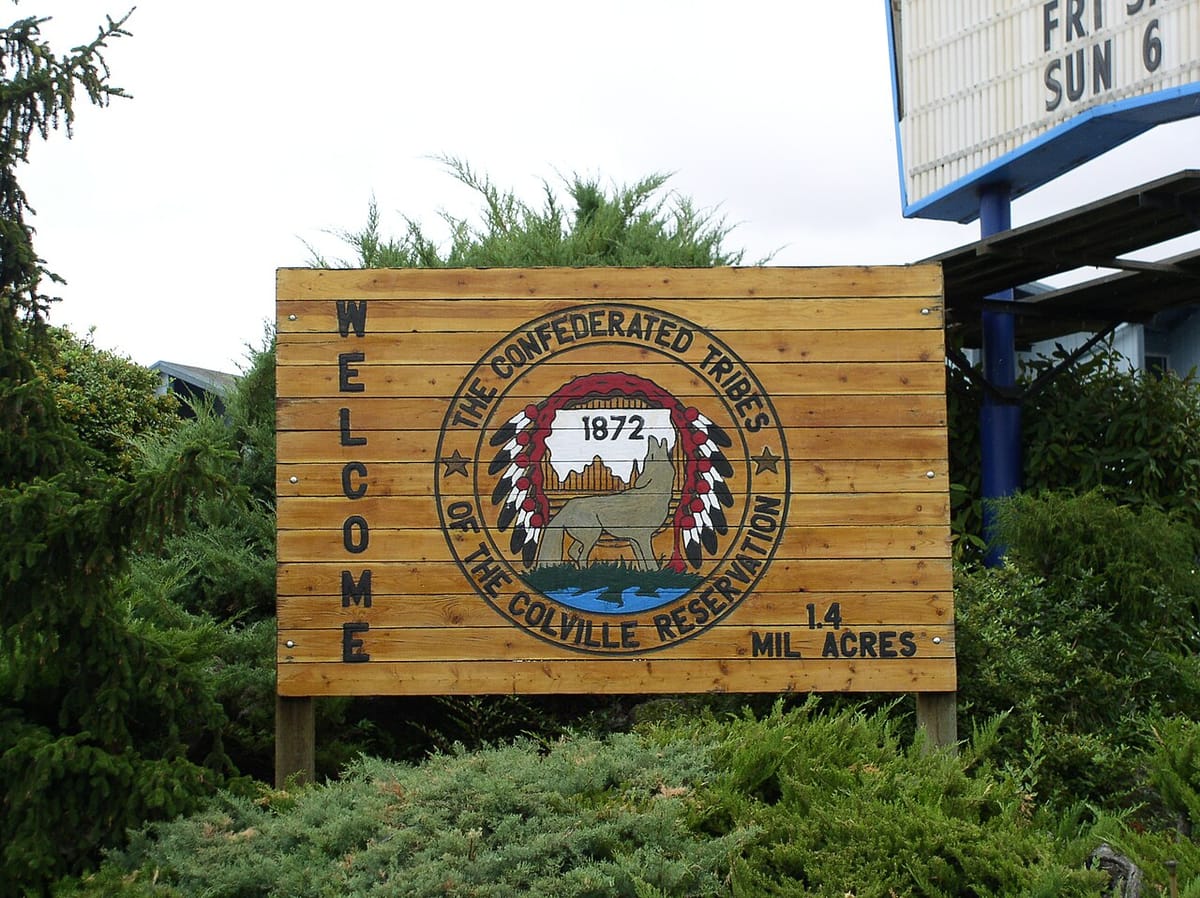
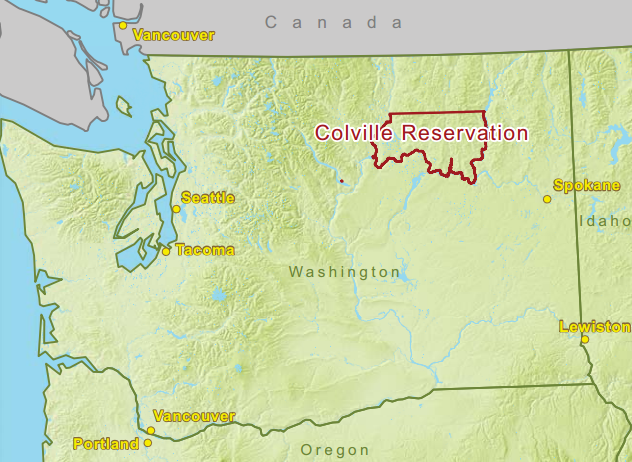
The Confederated Tribes of the Colville Reservation is a tribal nation located in north central Washington state composed of 12 Indigenous bands, including the ščəl'ámxəxʷ (Chelan), sx̌ʷýʔłpx (Colville), šntiyátkʷəxʷ (Entiat), sʔukʷnaʔqín (Okanogan), šnp̍əšqʷáw̉šəxʷ (Wenatchi) and several others. These tribes historically extended across a wide swath of lands east of the Cascade range in what is now Washington, British Columbia, and Oregon.
One of those 12 tribes, the sńʕaýckstx (Sinixt), for centuries lived in what is now British Columbia, but most of its members were forced to flee south of the US-Canada border due to colonization.
That legacy is at the heart of two lawsuits filed late last year by the Federated Tribes of the Colville in British Columbia courts claiming that the province should engage in active consultation with the Sinixt, even though they live south of the border. BC is required to consult with all recognized First Nations, but BC only "notifies" the Sinixt tribe after decisions are made.
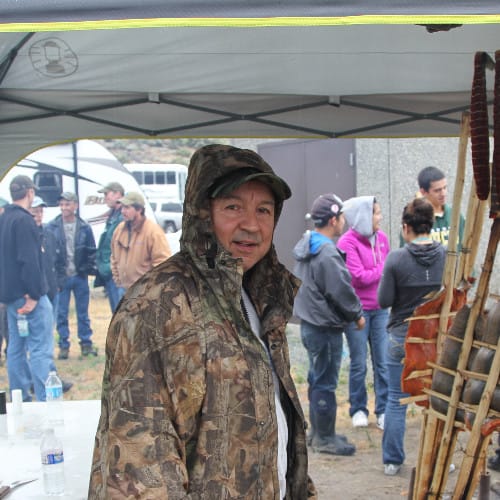
It's a fascinating case of cross-border connection that has roots that predate colonization. The Colville believe that BC's refusal to consult with the Sinixt is in defiance of the Supreme Court of Canada's 2021 Desautel ruling, which found that the Sinixt were not "extinct" (as Canada had declared in 1956) and in fact have the right to hunt on their ancestral lands in British Columbia even though they live in Washington. The case concerned a ceremonial elk hunt by Rick Desautel in 2010 in which he knowingly crossed the border north to hunt, in violation of BC law.
BC's government is fighting the Sinixt consultation lawsuit in court, and the Syilx Okanagan Nation in British Columbia also opposes the Colville lawsuit, claiming that many of its current Syilx tribe members are descendants of the Sinixt.
In a statement posted on Facebook, Colville chairman Jarred-Michael Erickson said, "We never voluntarily left our land in what is today called Canada; we were driven south by the forces of colonization. The Canadian Supreme Court ruled correctly that the Sinixt are not extinct and are properly considered to be Aboriginal people of Canada under Canadian law.”
Restoring rights north of the border will go on for "decades," if needed, Erickson said.
As residents of the Cascadia bioregion begin to think about connections beyond existing colonial borders or creating a new political framework, it's important to pay attention to the cross border Indigenous legacy and to include Indigenous groups from across the bioregion in decision making.
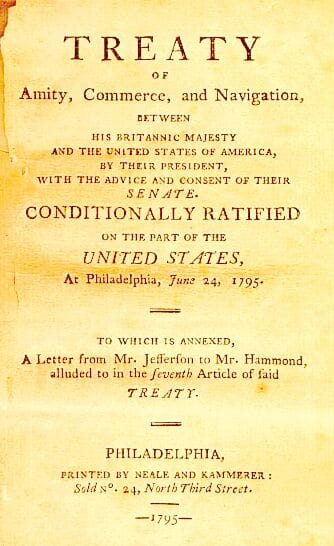
Tribes have long crossed the US-Canada border, and have legal rights to do so. The Jay Treaty, signed between the United States and Great Britain in 1794, asserted the right of Indigenous people to travel and trade across the border (Great Britain ruled Canada at the time). The United States codified that right into its immigration laws in the mid-twentieth century, but a Supreme Court of Canada ruling in 1956 asserted that the treaty was no longer in force.
As a result, members of Canadian First Nations can travel to the US without passports, can legally live and work in the US, and receive public benefits, though tribal members in the US don't receive the same rights in Canada. Lately, because of ICE goons racially profiling and detaining Native Americans (even though their ancestors have lived in North America since time immemorial) some Canadian First Nations have advised their members to carry passports and be wary of travel to the US. Last month, the Citxw Nlaka’pamux Assembly of British Columbia decided not to attend a Celebrating Salish Conference in Spokane because of concerns about violent ICE arrests.
Despite the Trump administration and British Columbia making cross-border interactions between Indigenous nations of Cascadia more difficult, those tribes continue to make connections. Some tribes are proposing tariff-free trade networks across the border, challenging Trump's trade wars. And the Colville have collaborated for a decade with their Okanagan Nation neighbors in BC to provide thousand of hatchery salmon eggs to help restore sk’lwist (summer-run chinook) and ntitiyx (spring-run chinook) in rivers north of the border.
A new, post-national Cascadia bioregion should uphold all existing treaties and work to increase cross border interaction between Indigenous nations – as well as involving all tribes in active consultation and decision-making.
Do you appreciate Cascadia Journal's exclusive reporting on the ways the Pacific Northwest is pushing back against US fascism? This month, I'm trying to reach 100 paid subscribers. If you have the means, please consider a paid subscription of just $5 per month. Each subscription helps me produce original reporting and opinionated notes on Cascadia's fight to build a more resilient and autonomous bioregion. And to those who already subscribe, thank you! --Andrew