
Cruise ships are disaster for the climate and Cascadia
A study released by Seattle Cruise Control estimates that each year, pollution generated by Seattle's cruise business is equal to about half of Seattle's entire annual greenhouse gas emissions.

Cruise ship trips out of Seattle are more popular than ever. According to the Port of Seattle, Seattle's 2025 cruise season set new records, with 950,000 passengers, 289 sailings, and 67 percent of ships using electric plug-in power while they were docked in Seattle. The Port says these cruises (which mostly sail to Alaska and back) boosted Seattle's economy by $1.3 billion.
What the Port doesn't talk about are the serious negative impacts these behemoth floating hotels leave in their wake.
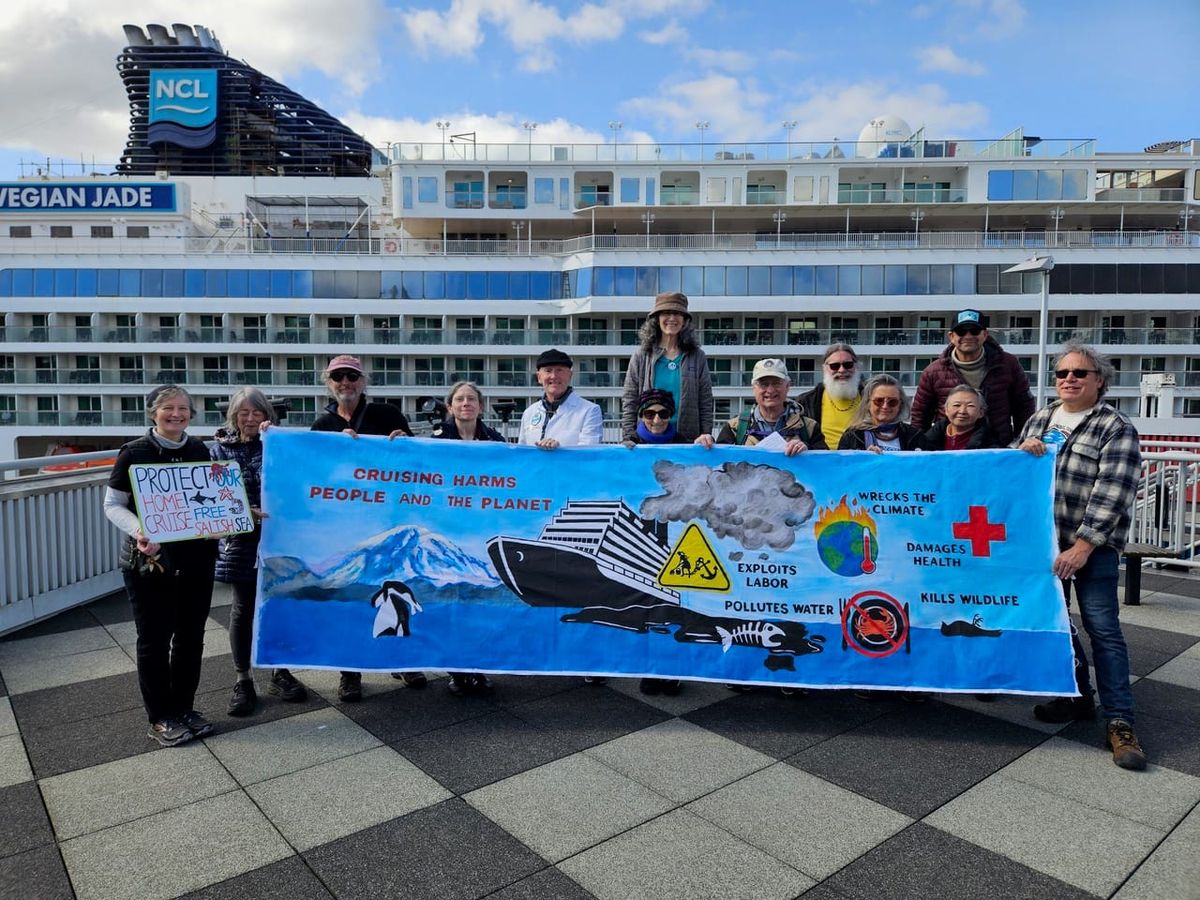
The activist organization Seattle Cruise Control held a protest on Seattle's waterfront this past weekend to mark the debut of the 2026 cruise season. About twenty people were on hand to call attention to various negative impacts: greenhouse gas emissions, deaths of whales and other wildlife, water pollution, and exploitation of labor.
A study released by Seattle Cruise Control estimates that each year, pollution generated by Seattle's cruise business is equal to about half of Seattle's entire annual greenhouse gas emissions. Taking into account flights to and from Seattle plus the massive emissions these cruises generate, that's 3 million tons of greenhouse gases, compared to 5.7 million tons total emitted in Seattle each year. That means that Seattle's cruise industry emits as much climate-killing CO2 as the city's entire emissions from residential and commercial buildings and all cars, trucks, and buses combined!

The Port loves to brag about increased plug-in power while ships are docked. And while that's great for reducing pollution affecting people who live and work near the ships, it only accounts for less than one percent of the total emissions these monster ships spew out during their journeys.
“Seattle’s cruise business – the ships plus the flights that bring 85% of the passengers here – now emits half as much climate pollution as the entire city emits in a year," said Elizabeth Burton, an organizer with Seattle Cruise Control.
"With Washington's farms underwater, our forests burning, no snow to ski on, and our ocean warming, acidifying, and absorbing pollution from the ships, it's not at all clear that the benefits of the cruise industry to our region outweigh the costs," Burton said.
In 2023, I wrote a detailed interactive article for Hakai magazine about the many negative impacts of Alaska cruises. In addition to carbon emissions, many of the ships use smokestack "scrubbers" that pull pollution from the diesel they burn and then dump it in the ocean. The ships also limit the ability of orcas to hunt for prey, interfere with humpback whales' ability to communicate, and generate thousands of tons of trash. Helicopter tours and hordes of tourists overwhelm small Alaska towns and Indigenous communities.
 Hakai Magazine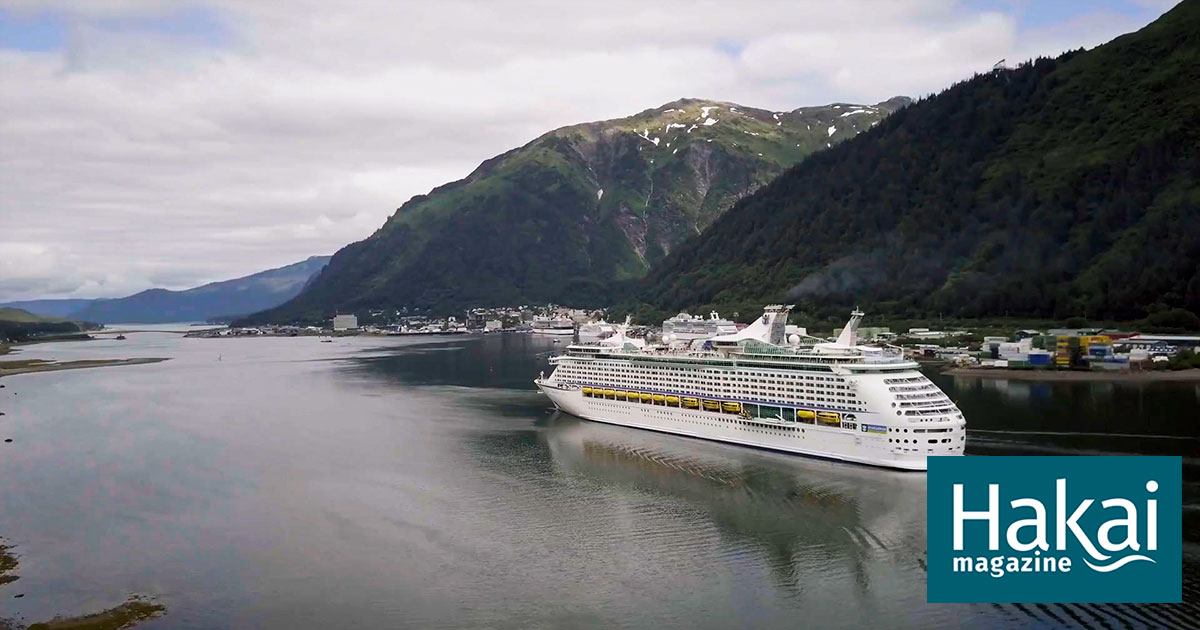
And because cruises operate in international waters, they can evade minimum wage laws and exploit foreign workers. Many employees on cruises earn as little as $2 an hour and work 10-14 hour shifts, 7 days a week. International Business Times notes that some cruise employees make as little as $500 per month. Many of the workers exploited are Filipino, and those workers have sometimes been targeted by aggressive federal immigration agents.
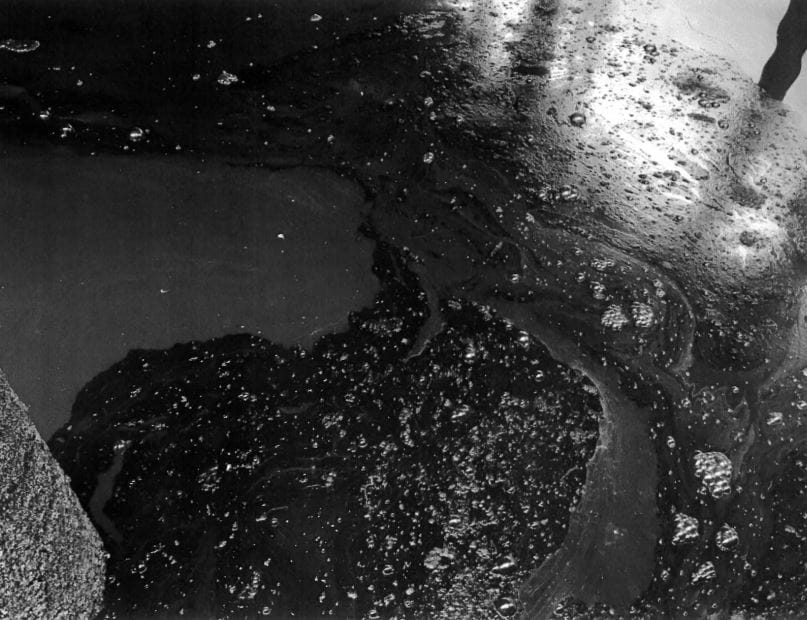
Some cities across Cascadia are starting to impose limits. Tired of noisy helicopter flights and hordes of tourists crowding its streets every day, Juneau recently put in place limit of five daily ship arrivals and a daily cap of 16,000 visitors.
Seattle Cruise Control has a variety of demands it's making to the Port of Seattle, and it supports passage of HB 1652/SB 5519 in the Washington legislature, which would require all ocean-going vessels to use low-sulfur diesel and ban the use of scrubbers in Washington waters.
The Port of Seattle does a ton of greenwashing about the industry, bragging about what it calls a "Green Cruise Corridor" that hasn't actually reduced emissions. The Port also promises cruises sailing from Seattle will be "net zero" by 2050 – but that will likely be achieved by purchasing carbon offsets, which are largely useless at reducing emissions.
Washington Physicians for Social Responsibility was also at the Seattle cruise protest. Chris Covert-Bowlds, a doctor with the organization, said, "While the Port of Seattle's Green Cruise Corridor has been 'exploring the feasibility' of low-carbon fuels since 2022, its cruise business continues to pump out millions of tons of greenhouse gases year after year. The Corridor won't significantly reduce cruise's climate impact for decades, if ever. We need emissions reductions now, not in the year 2050."
Do you appreciate Cascadia Journal's exclusive reporting on the ways the Pacific Northwest is tackling climate change and pushing back against US fascism? If you have the means, please consider a paid subscription of just $5 per month. Each subscription helps me produce original reporting and opinionated notes on Cascadia's fight to build a more resilient and autonomous bioregion. And to those who already subscribe, thank you! --Andrew




,_Pier_66,_Norwegian_Bliss_--_2022_--_1802.jpg?ref=cascadia-journal.com)