Hear me out: crypto & Cascadia

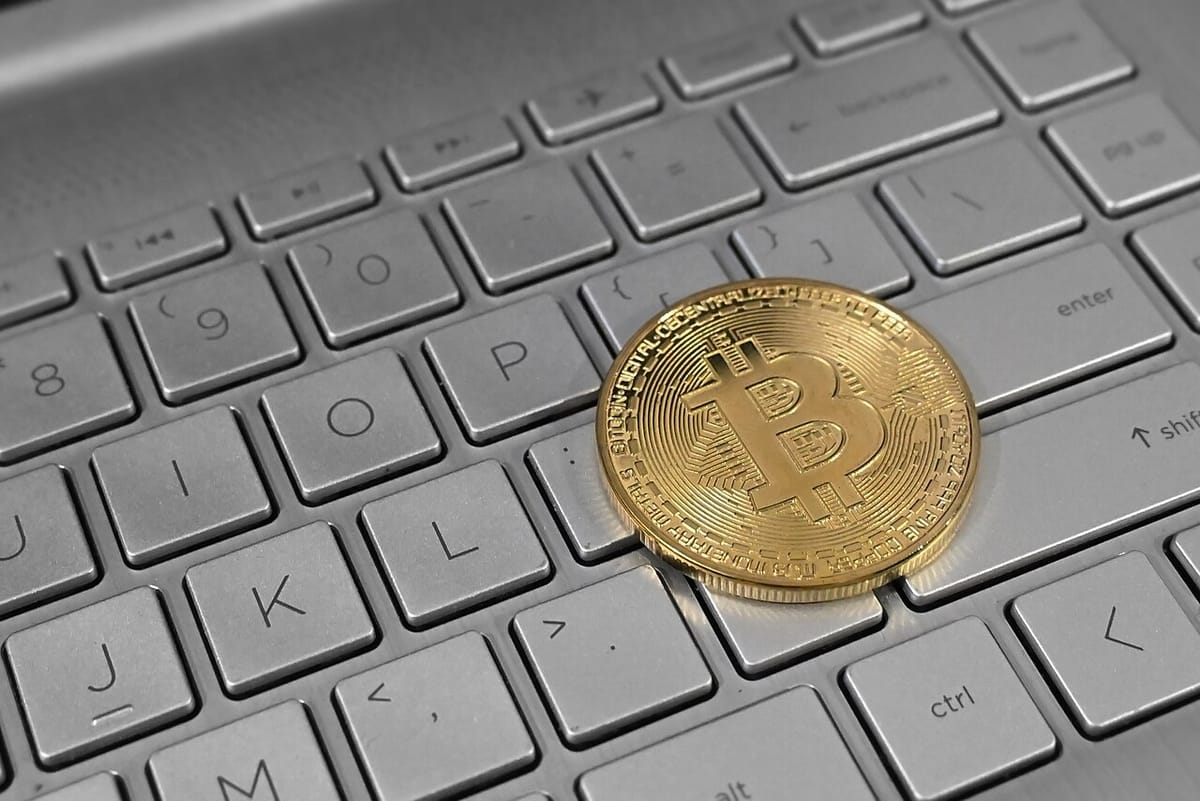
Like most progressive, socialist-leaning folks, I have no tolerance for the hype and bubble-just-waiting-to-burst frenzy around cryptocurrency. The industry is rife with con artists and corrupt associates of the Trump administration (seriously: no one in their right mind should ever buy a DOGE coin).
But I want to say two cheers for crypto, in relation to the peaceful movement toward Cascadia autonomy.
First: it's important to remember that crypto began as an anarchist/libertarian movement to free commerce, money, and value from state-based power. Timothy C. May's Crypto Anarchist Manifesto was the impetus for the invention of Bitcoin and blockchain-based currency. At its core, crypto was about freedom from authority and capitalism.
But yes – the industry is now a hotbed of rabid capitalism. And yes, crypto has consumed a lot of energy – but so has every other pillar of capitalism, whether it's mining for gold, powering the world with climate-destroying fossil fuels, or the godawful march toward incorporating AI into every aspect of our lives.
But again, hear me out. Bitcoin, the original cryptocurrency, is now well established, even if its price is volatile. It was designed to eventually become scarce: only 21 million bitcoins will ever be in circulation, and they're getting increasingly difficult to create. Most other crypto, with the exception of number two Ethereum, is questionable. Bitcoin, however, with a market capitalization of $1.736 trillion, is now one of the top eight capitalized assets in the world, more valuable than all of Earth's silver, and ranking it among Amazon, Apple, Microsoft, gold, and Nvidia.
What does this mean for Cascadia?
This is my second cheer for crypto. It can help empower those on the margins.
Rai Ling's essay "Anarchism and Cryptocurrency," makes the case that a decentralized, encrypted currency helps empower those who are most marginalized. To take one example, immigrants without documentation who are forced out of the conventional banking system (and pushed into the predatory wire transfer industry as a result) can use crypto to quickly and anonymously transfer money across borders. It's also used in countries where corrupt governments devalue currency to prop up their wealth and power.
"...many people who benefit from cryptocurrency don't have stable currencies, are seen as criminals for existing, live under totalitarian governments that ban all forms of protest, and are illegal immigrants barred from the banking system..." --Rai Ling
Cascadia (which if it existed independent of the US, would have an economy about the size of the Netherlands) needs to set up mutual aid networks and pressure local and state government to build resiliency and care for our own. As this process moves forward it makes sense to move away from institutions we take for granted that we don't actually need, whether it's commercial banks and credit cards (switch to a credit union, support the creation of a state bank), corporate rather than cooperative retails stores, and finally – the federal tax system.
 Andrew Engelson
Look, I'm definitely not advocating that you stop paying taxes to the IRS. But as Trump's authoritarian federal government takes more and more of Cascadia' hard-earned wages and uses it to fund a war machine and masked agents used against our residents, we perhaps need to consider tools to protest this and engage in civil disobedience or taking our money elsewhere (if you've read Henry David Thoreau you'll know what I'm referring to).
Are there problems and hurdles to using Bitcoin as an alternative to the dollar right now? Absolutely. Converting dollars to crypto is a process rife with high costs (many crypto ATMs have fees and "spreads" that rival the usury practices of wire transfer companies). And most businesses don't yet accept Bitcoin, though the list is increasing. Even though it's a huge part of the global economy, Bitcoin is still more complicated to use than, say, a $20 bill.
I'll make a small plug here for a development I think is fascinating. I've recently moved away from Google-based products and shifted my email, cloud drive, and calendar to Switzerland-based Proton. Their dedication to privacy and encryption is solid, and their values embrace empowering everyday people. The majority owner in Proton is a non-profit foundation dedicated to "governance for people, not for profit."

Proton recently, and somewhat controversially, introduced a simple crypto wallet to its offerings. It's designed to simplify using alternative currency and put individuals, not corporations, in control of their money. Once you've gotten through the initial hoops to convert fiat currency like USD or the Canadian dollar to Bitcoin, it's fairly straightforward and simple. Once those funds are locked up in your wallet, they're yours, independent of the banking system (but yes, subject to fluctuations in value). Proton's wallet even allows you to securely send Bitcoin through Proton's encrypted email system.
If you want to drop a tip of a few satoshis (the smallest unit of bitcoin) to support Cascadia Journal, and you have a Proton account, I'm at andyengelson@pm.me. Just sayin'.
Cascadia needs to begin the slow and painful process of divorce from its abusive partner, the United States. One way it can become less reliant on the feds is move away from the dollar. This is going to take time, and no, you definitely shouldn't drop your life savings into Bitcoin. But perhaps by becoming an early adopter if you have the means and the technical savvy will begin to push open one more window, toward a monetary system free from US dominance – as well as one more way way to push back against the Trump administration and an increasingly corrupt US system of government.