Cascadia has become a haven for trans refugees
Seattle and Portland have become safe havens from places passing restrictive anti-trans laws.

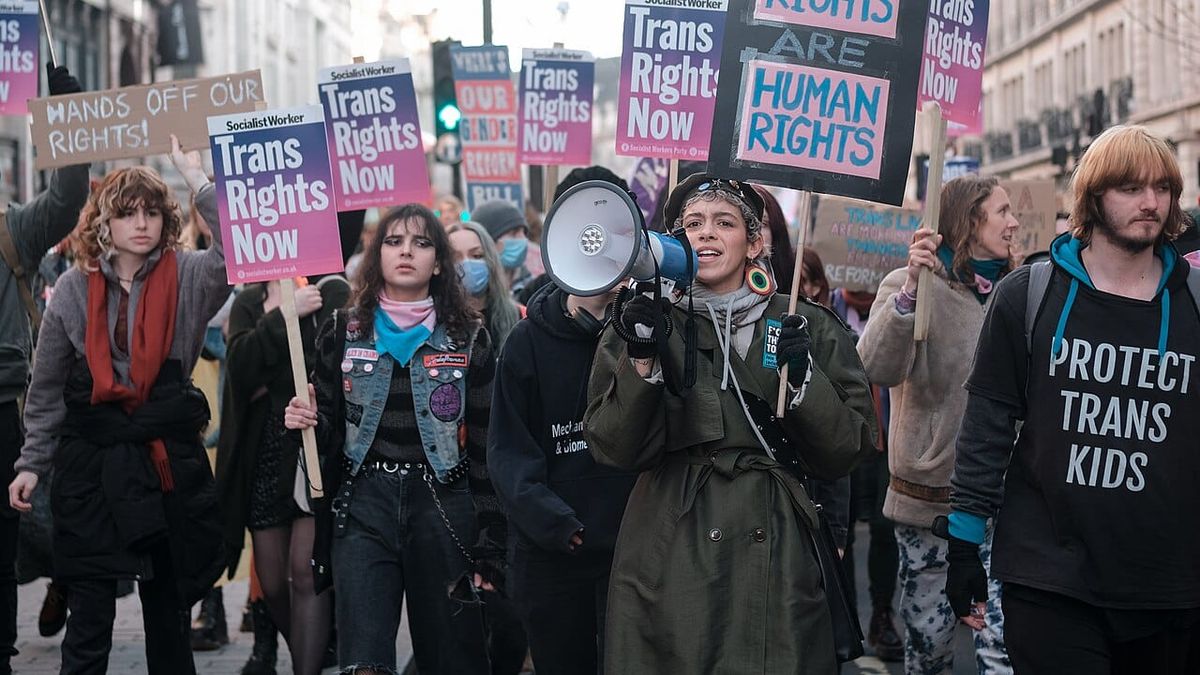
As the Seattle city council debated a proposal by city council member Alexis Mercedes Rinck to add $300,000 to the city's supplemental budget to assist trans people who have moved to the city fleeing hostile states, it's clear that Seattle and Portland have become safe havens from places passing restrictive anti-trans laws.
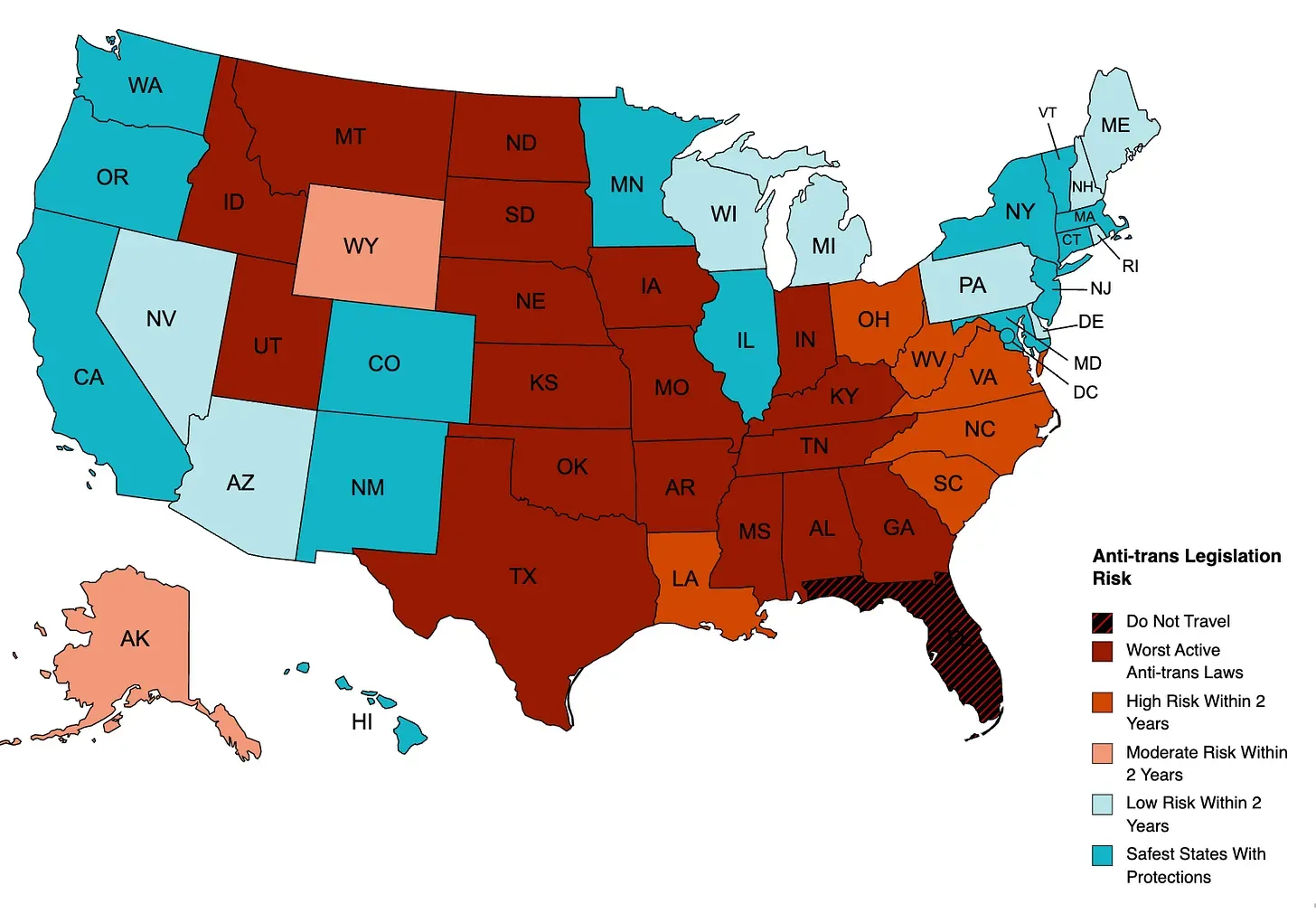
In June, Erin in the Morning reported that between 130,000 and 260,000 trans individuals have moved from their home states and more than 1 million are considering a move, according to a report from Data for Progress. The ACLU reported that in 2025 alone, hostile states passed more than 600 anti-trans laws, including blocks on medication, sports bans, refusal of drivers licenses, and restroom bans.
This year, Idaho passed one of the harshest restroom bills in the nation, making it a felony offense to use the public restroom of one's choice, with punishments of up to five years in prison.
In May the city's LGBTQ commission (first reported by Seattle Gay News) urged mayor Katie Wilson to declare a civil state of emergency, and open up to $2.1 million in assistance. The letter noted that "many IDPs have relocated from states such as Texas, Florida, Tennessee, Kansas, and Idaho due to anti-trans legislation, threats to personal safety, and barriers to healthcare and legal recognition.”
Wilson declined to issue a declaration and this month, according to Through the Static, shut down the Trans and Queer Community Stabilization Interdepartmental Team (TQ IDT), which was tasked with recommendations to deal with the internal displacement issue. AMR's $300,000 proposal, while welcome, will "barely scratch the surface," the LGBTQ commission cautioned.
In Seattle, various organizations are helping trans people relocate. The Kawaguchi O'Connor Initiative provides financial assistance and well as temporary places to stay and volunteer peer who help with health insurance, dealing with HRT, finding gender affirming clothes, and building community.
In Portland, the the Tran Relocation Project is a queer-led grassroots organization that helps new arrivals to the Portland metro area find housing, get medications, and find employment. Another effort in Portland that assists new trans residents is WERQ Together, a trans-led mutual group that assists arrivals with housing, health care, job seeking, and building community.
Traction is another trans support organization working across Cascadia, and its Open Arms program has assisted hundreds trans displaced people with temporary housing, job searches, finding health care, and more. It publishes an extremely useful guide to relocating to Washington for trans people.
As one volunteer with Traction, speaking during public comments in a Seattle city council committee meeting on Aug 4 said, "I see so many trans refugees working so hard. I do so many resume reviews, so much talking with people about how they can find housing, how they can find stable work. We're not looking for handouts or support. We're looking for stabilization, a response to an emergency that can help us get to a place where we can be sustainable."
Do you appreciate Cascadia Journal's exclusive reporting on the ways the Pacific Northwest is pushing back against US fascism? If you have the means, please consider a paid subscription of just $5 per month. Each subscription helps me produce original reporting and opinionated notes on Cascadia's fight to build a more resilient and autonomous bioregion. And to those who already subscribe, thank you! --Andrew