
Polyamory rights bills on the horizon in Olympia, Portland & Seattle💘

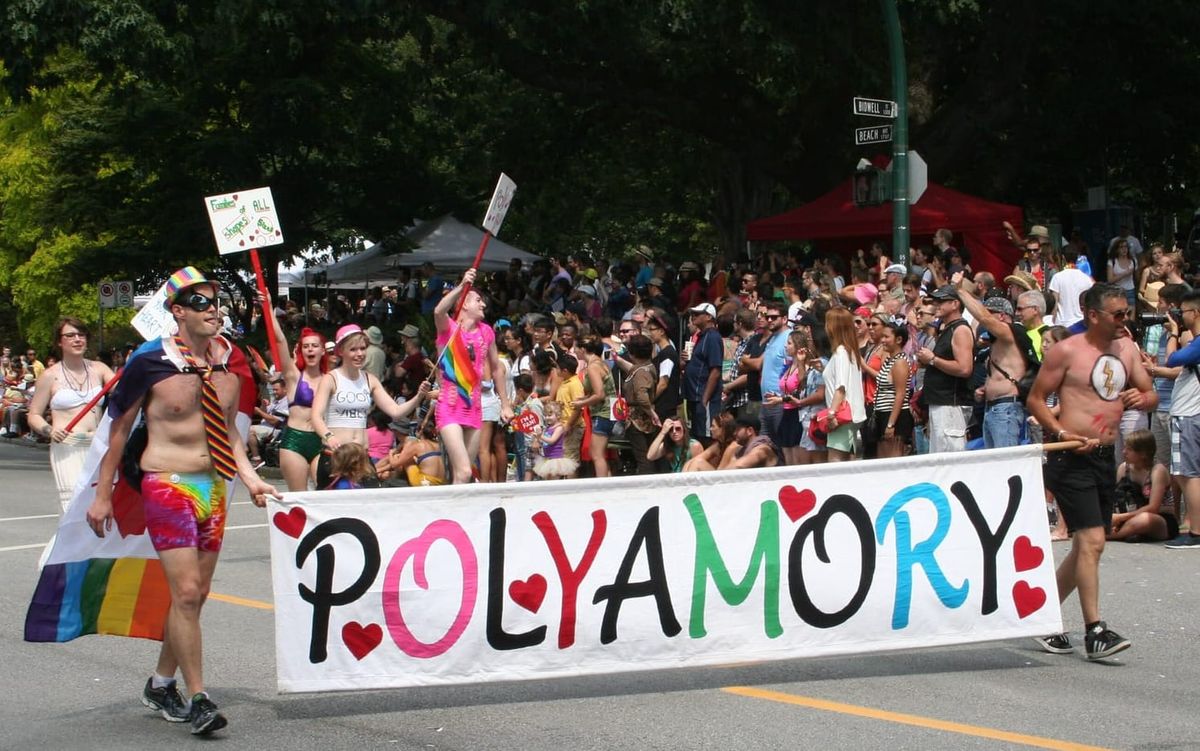
Cascadia has always been at the forefront of protecting the rights of individuals to live their sexuality authentically. Seattle was one of the first cities in the US to expand protections for employment discrimination to sexual orientation in 1973 and for housing discrimination in 1975. Washington state was one of the first three states to legalize LGBTQ marriage by popular vote in 2012.
As Valentine's Day approaches, three cities in Cascadia – Olympia, Portland, and Seattle – could join a growing list of municipalities across the US passing anti-discrimination laws that extend protections from job and housing discrimination to individuals in polyamorous or non-monogamous relationships.
The Olympia city council is debating and poised to pass a bill later this month sponsored by council member Robert Vanderpool that would add "family and relationship structure" to classes protected from discrimination in employment and housing discrimination. Similar to previous bills passed in cities in Massachusetts and in Berkley and Oakland, California, the bill prohibits discrimination based on:
- The composition of interrelationships within a household
- Involvement in intimate personal relationships between consenting adults
- Non-normative and non-nuclear family arrangements, including multi-partner and multi-parent families, blended (step) families, multi-generational households, single-parents-by-choice, chosen families, and similar configurations
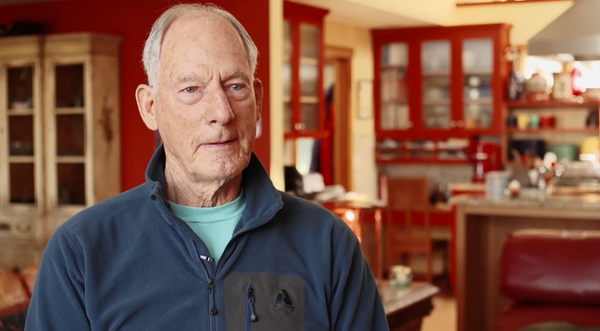
Brett Chamberlin, founder and director of OPEN, a non-profit that helped craft the legislation and which works to promote acceptance of non-monogamy, said his organization found that 60% of of people in multi-partner relationships have experienced some form of discrimination. "This can look like being denied a rental application, being fired from a job or denied a promotion, or being denied an STI test by your doctor because they know you're married, and they think they're facilitating cheating."
Chamberlin says 5% of US adults who are currently in a relationship describe that relationship as non-monogamous, "and that is an umbrella term that encompasses a whole range of relationship style and structures, from polyamory to the swinger lifestyle."
In Portland, where an OK Cupid poll in 2024 found that 39% of people on the dating site in Portland said they were open to or practicing non-monogamy, a similar non-discrimination bill is in the works, Chamberlin said, but has been delayed and may be be introduced later this month. UPDATE: According to OPEN, a bill is expected to be introduced on February 19.
And, according to Jessa Davis, director of the Seattle Coalition for Family & Relationship Equity (SCFRE), a bill is also in the works in Seattle and will likely be introduced later this year. In December, Seattle's Human Right Commission and the Seattle LGBTQ Commission co-signed a letter to the Seattle city council urging them to pass legislation adding family and relationship structure to the city's anti-discrimination laws. You can sign a petition in support of the legislation here.

Davis, who also helped advance the Olympia bill, says she was motivated to push legislation after one of her partners was pressured to leave her job after disclosing her relationship structure. "She left her job because of discrimination and some bad vibes related to: 'oh you're a sex craved-weirdo.'" Davis said her partner's co-workers told her, "this is a medical office, and we can't really have this kind of behavior out in the open here."
Davis has drafted a bill that adds family and relationship status to Seattle's anti-discrimination protections, especially with regard to housing and employment, but also the city's affirmative action polices and how the city contracts with businesses. The bill allows those discriminated to sue in civil court for damages.
"If you are a cisgender heterosexual couple and you're opening up your marriage, you might just logically conclude that in this country, we can live our lives as adults as we choose, and there are no potential negative ramifications of those choices," Davis said. "But in reality, a couple opening up their marriage has less protections than a queer or transgender person who isn't polyamorous."
SCFRE is also working on a bill they plan to introduce next year in the Washington legislature called Indigo's Bill, which would ensure that trans, queer, asexual, and polyamorous people's wishes and chosen family are respected after death, and to prevent estranged family members from intruding in funeral and memorial arrangements.
"We're hoping to do a quick fix on one aspect of state law in order to make post-mortem decision making more inclusive of chosen family, rather than leaving people in a situation where, you've had a life partner 20 years, but because you weren't married, they have no say in what happens after you die."
Cascadia has always been in the vanguard on queer rights, and these bills would extend protections to people who have diverse family and relationship structures. What a lovely Valentine's Day gift it would be to allow people to love however and whoever they want to.
Have a great weekend. Keep fighting and keep loving! 💕 --Andrew
Do you appreciate Cascadia Journal's exclusive reporting on the ways the Pacific Northwest is pushing back against US fascism? If you have the means, please consider a paid subscription of just $5 per month. Each subscription helps me produce original reporting and opinionated notes on Cascadia's fight to build a more resilient and autonomous bioregion. And to those who already subscribe, thank you! --Andrew


.jpg)
