Restoring Indigenous names to Washington's volcanoes
As Cascadia moves toward asserting its autonomy and independence, we should consider restoring the older, Indigenous names to the volcanoes of our bioregion.

Cascadia Day is approaching on May 18 – the day a volcano in southwest Washington violently erupted in 1980. This date lets us reflect on the power of natural forces in our bioregion, as well as celebrating the resilience of nature and people in the Pacific Northwest.
What's the name of that volcano? Most of us know it at Mount St. Helens, but before European colonizers arrived in Cascadia, it was known as Loowit to the Klickitat people who have lived in the mountain's shadow since time immemorial.
The name we generally call the peak today was given to the mountain in 1792 by British explorer George Vancouver in honor of his friend Alleyne FitzHerbert, First Baron St. Helens – someone who never set foot in Cascadia.
As Cascadia moves toward asserting its autonomy and independence, we should consider restoring the older, Indigenous names to the volcanoes of our bioregion.
There doesn't have to be an official name change for people to simply start using the original names (and though there are a variety Indigenous names for each mountain, there are generally accepted non-colonial names for each)
Officially re-naming a geographic feature in Washington isn't easy – it requires approval of the Washington State Committee on Geographic Names. At the federal level, it usually requires an act of Congress.
You can message Washington state's geographic names committee and suggest more culturally appropriate names for the state's five highest peaks.
Cascadia Journal's style guide prefers using original Indigenous names to colonial ones. Following are the five volcanic peaks in Washington (and a note on one in Oregon).
Cascadia Democratic Action is working on legislation that would urge the committee on geographic names to rename each of these mountains:
Kulshan
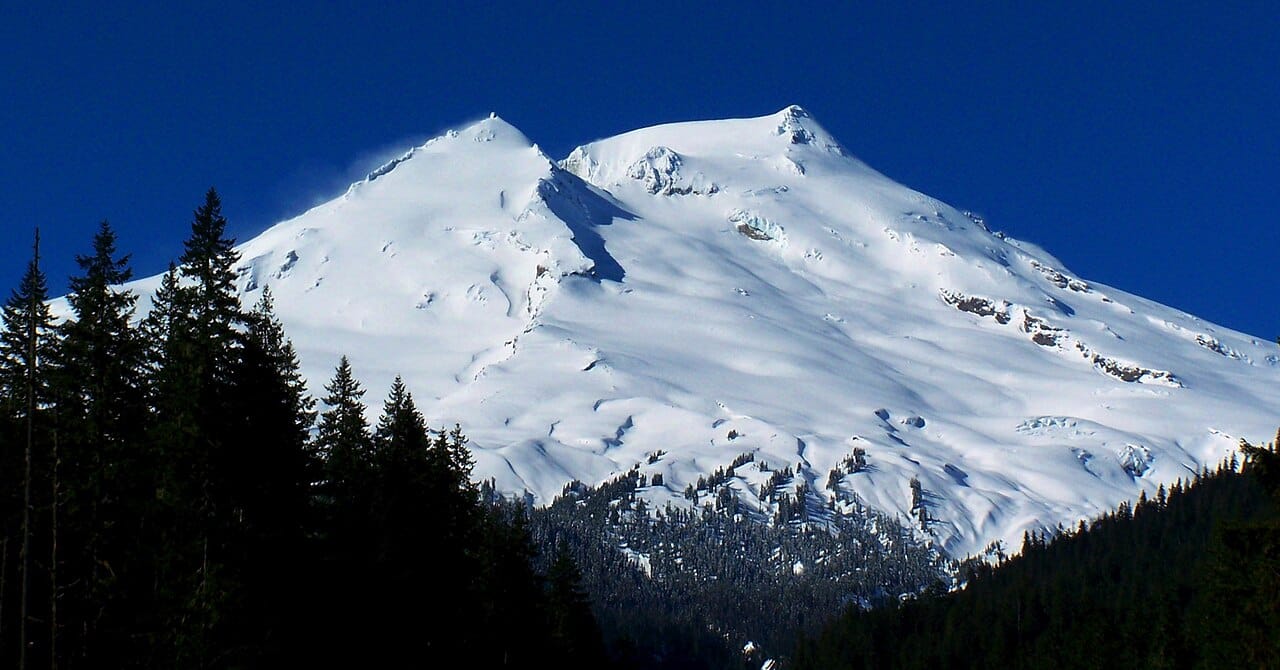
The northernmost volcano in Washington, Kulshan (also known as Mount Baker) is an elegant, glacier-clad peak 10,781 feet (3,286 m) high. The Nooksack people knew it as Kweq' Smánit, while Lushootseed speakers called it təqʷubəʔ.
Spanish explorer Gonzalo Lopez de Haro labeled it Gran Montaña del Carmelo on a 1790 map, but British explorer George Vancouver's name, for third lieutenant Joseph Baker, a member of the crew of HMS Discovery, is the one officially recognized today.
Dakobed
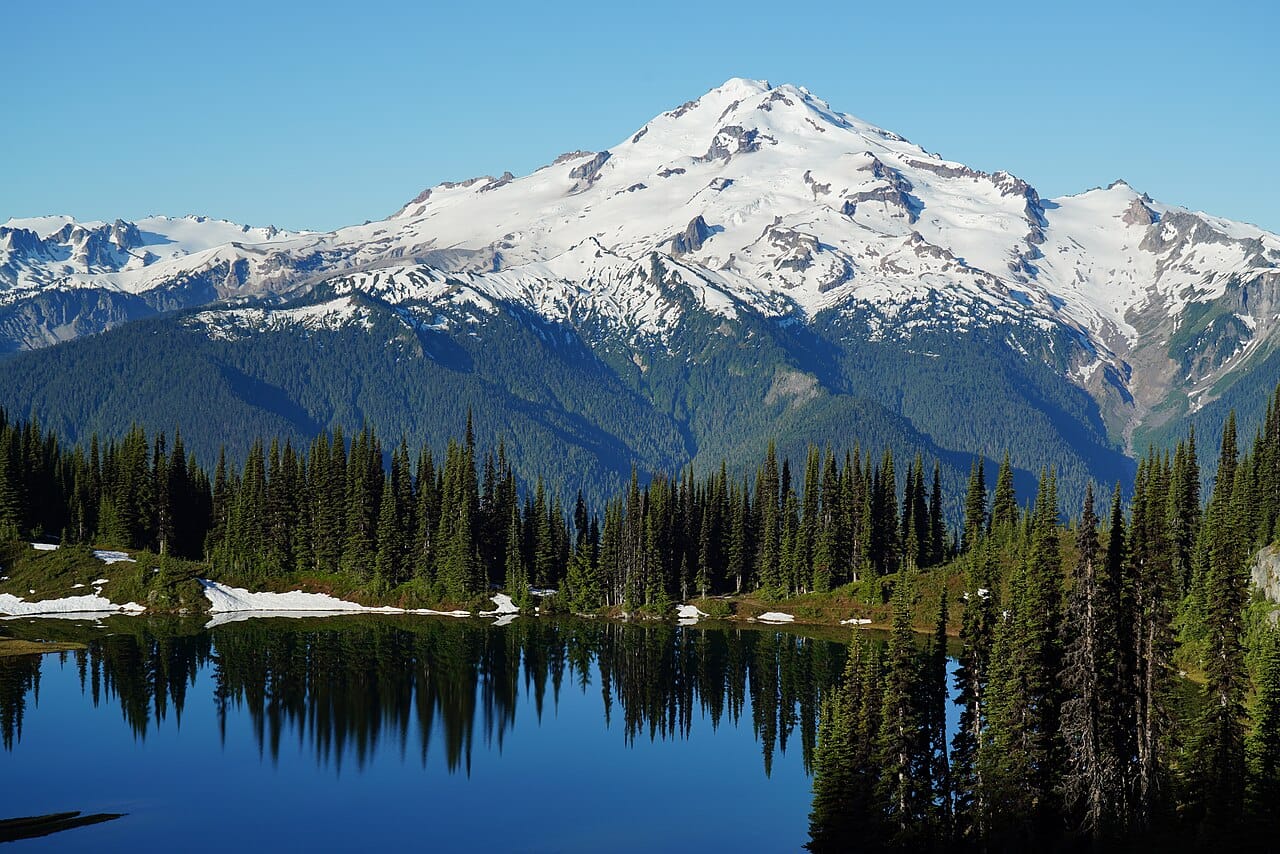
The fourth-highest peak in Washington, 10,525-foot (3,207 m) Dakobed is also known as Glacier Peak. One of the most active of Washington's stratovolcanoes, it last erupted around 1700.
In the Sauk-Suiattle dialect of Lushootseed, the mountain was known as Tda-ko-buh-ba or Takobia. Dakobed is a commonly agreed upon Indigenous name for this remote and heavily glaciated peak.
Tahoma

The state's highest peak, Tahoma (aka Mount Rainier) towers 14,410 feet (4,390 m) above sea level and is an active volcano that last erupted around 1450. It has 29 named glaciers that contain 0.69 cubic miles of ice.
The prominent peak has been given many different names by the Indigenous people who lived in sight of it – an analysis by linguists with the Puyallup tribe documented more than 20 names for the mountain.
Speakers of Lushootseed, the language common among people living on the shores of the Salish sea, call it xʷaq̓ʷ, or "one who touches the sky." It was also known by Lushootseed speakers as təqʷubəʔ, "snow-covered mountain." Speakers of the Cowlitz language have called it təx̣ʷúma, and Sahaptin speakers east of the Cascade range know it as Tax̱úma.
The current colonial name was conferred by George Vancouver during his 1792 exploration of the Pacific Northwest to honor his friend, rear admiral Peter Rainier, who never visited the region and fought against the Americans in the Revolutionary war.
The Puyallup Tribe has a campaign to rename the mountain with a more Indigenous-relevant name. Connie McCloud, the tribe's heritage division manager, told KING-5 News last year that she doesn't use the current colonial name for the mountain.
"Our mountain is considered to be a sacred place," she said. "That's where our water comes from, that's where the nourishment for not only the earth and salmon, but for [where] our people comes from. We have always understood that relationship because that's how we survived. If we didn't understand that, we wouldn't be here.”
Pahto
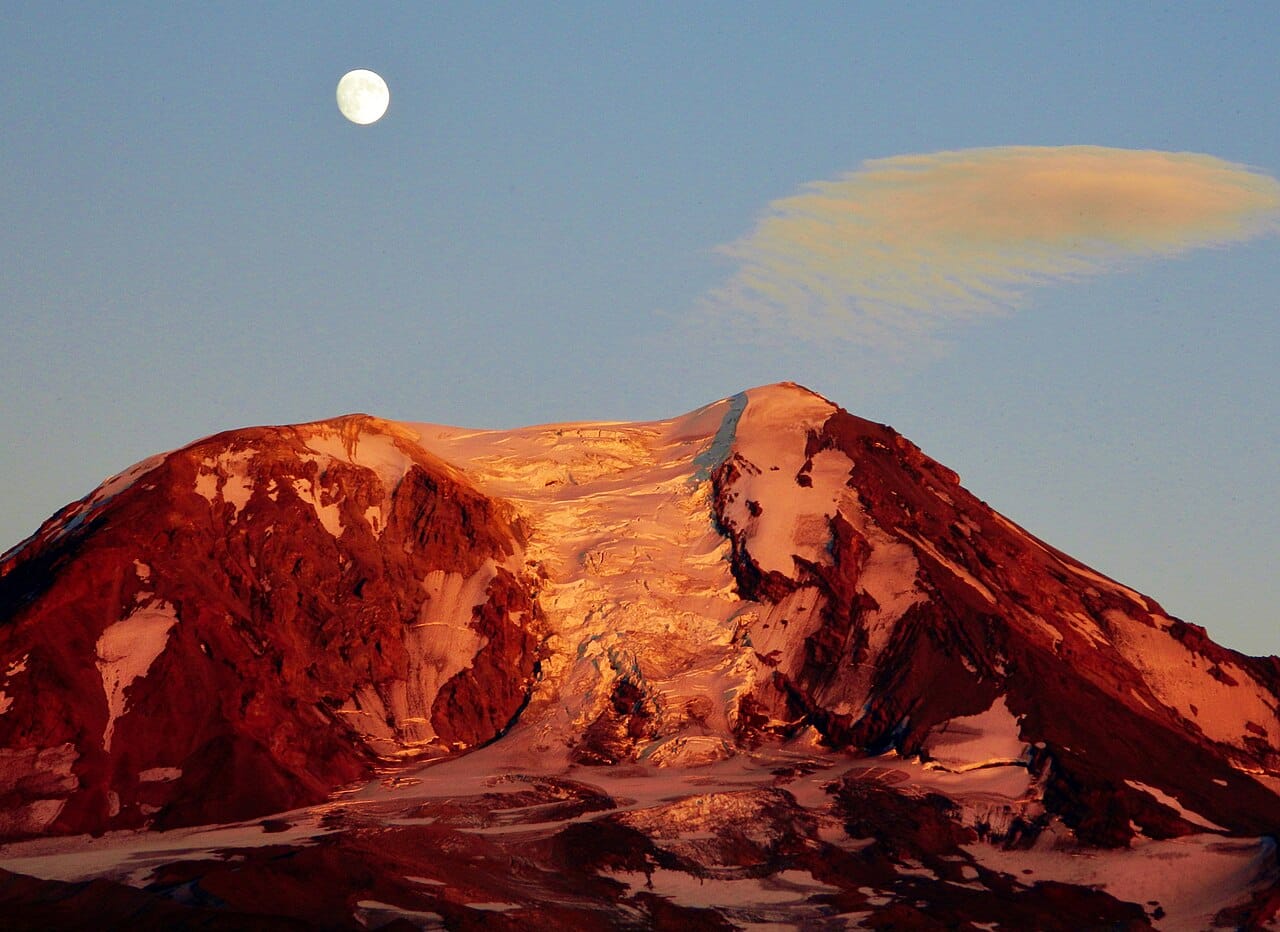
The second-highest peak in Washington – 12,276 feet (3,742 m) high Pahto – has special significance for the Yakama people, and half of the peak resides within the Yakama Indian Nation. Sahaptin speakers (including the Yakama) call it Pátu, anglicized as Pahto. It is sometimes nicknamed X̱wayamá in the Yakama dialect, which means "golden eagle." The Cowlitz people call it cʼilíləɬ, and also patúʔ, a name derived from the Sahaptin language.
The colonial name for the peak honors US president John Adams and wasn't made official until 1853.
Loowit
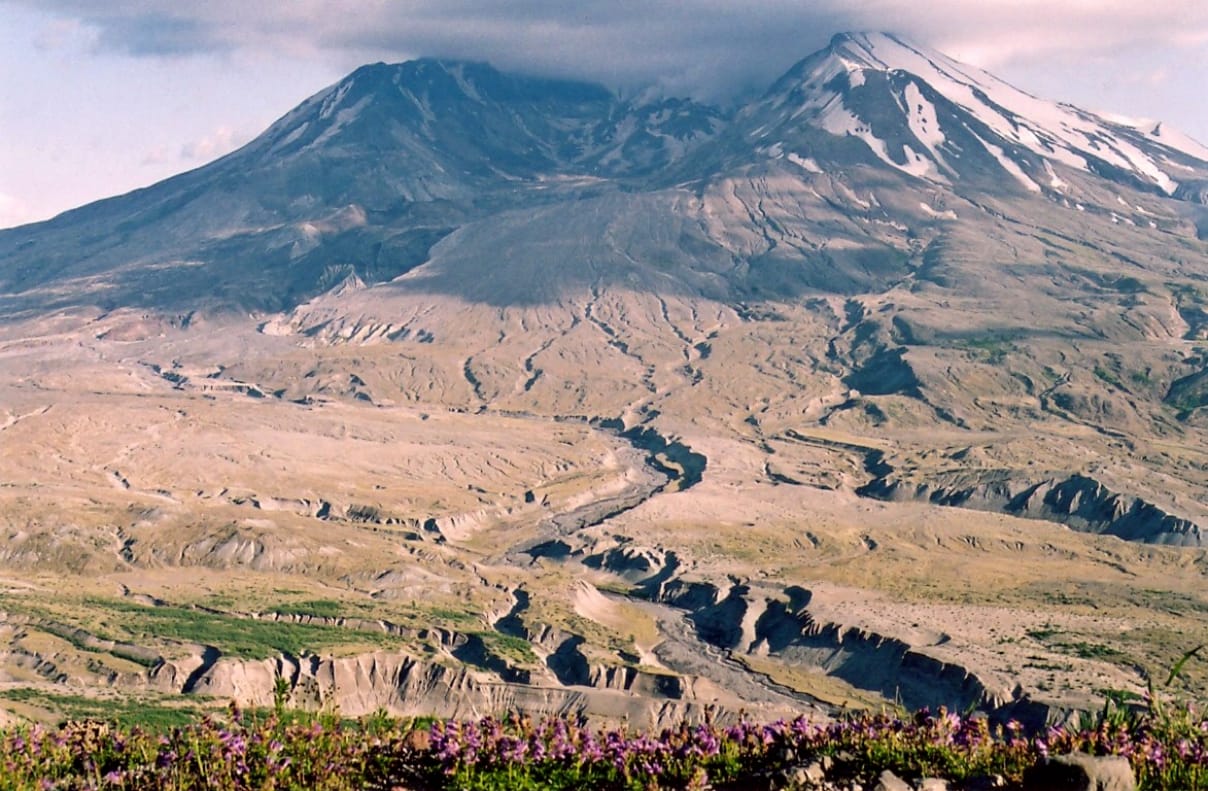
The state's most active volcano experienced a massive eruption in 1980, killing 57 people and creating a blast zone that extended for miles and causing a debris avalanche that reduced the mountain's height from 9,677 feet (2,950 m) to 8,363 feet (2,549 m). The Cowlitz people know the mountain it as Lawetlat'l, while the Klicktat call it Loowit or Louwala-Clough. Sahaptin speakers call it lawílatɬa ("the smoker").
In 1982, Congress designated the Mount St. Helens National Volcanic Monument to protect the environment of the peak and its unique surrounding ecosystem.
A note on Mount Hood
Oregon's highest peak, the elegant volcano known as Mount Hood, soars 11,249 feet (3,429 m) in elevation. Though some sources claim that the mountain was originally known as "Wy'east," that claim is dubious at best and not recognized by the nearby Indigenous nations. The source of this imagined name is obscure – possibly inspired by an 1890 novel, The Bridge of the Gods, by white writer Frederic Balch, though that particular name isn't used in the book.
The current colonial name was given to the peak during Vancouver's 1792 voyage and honors British Admiral Samuel Hood.
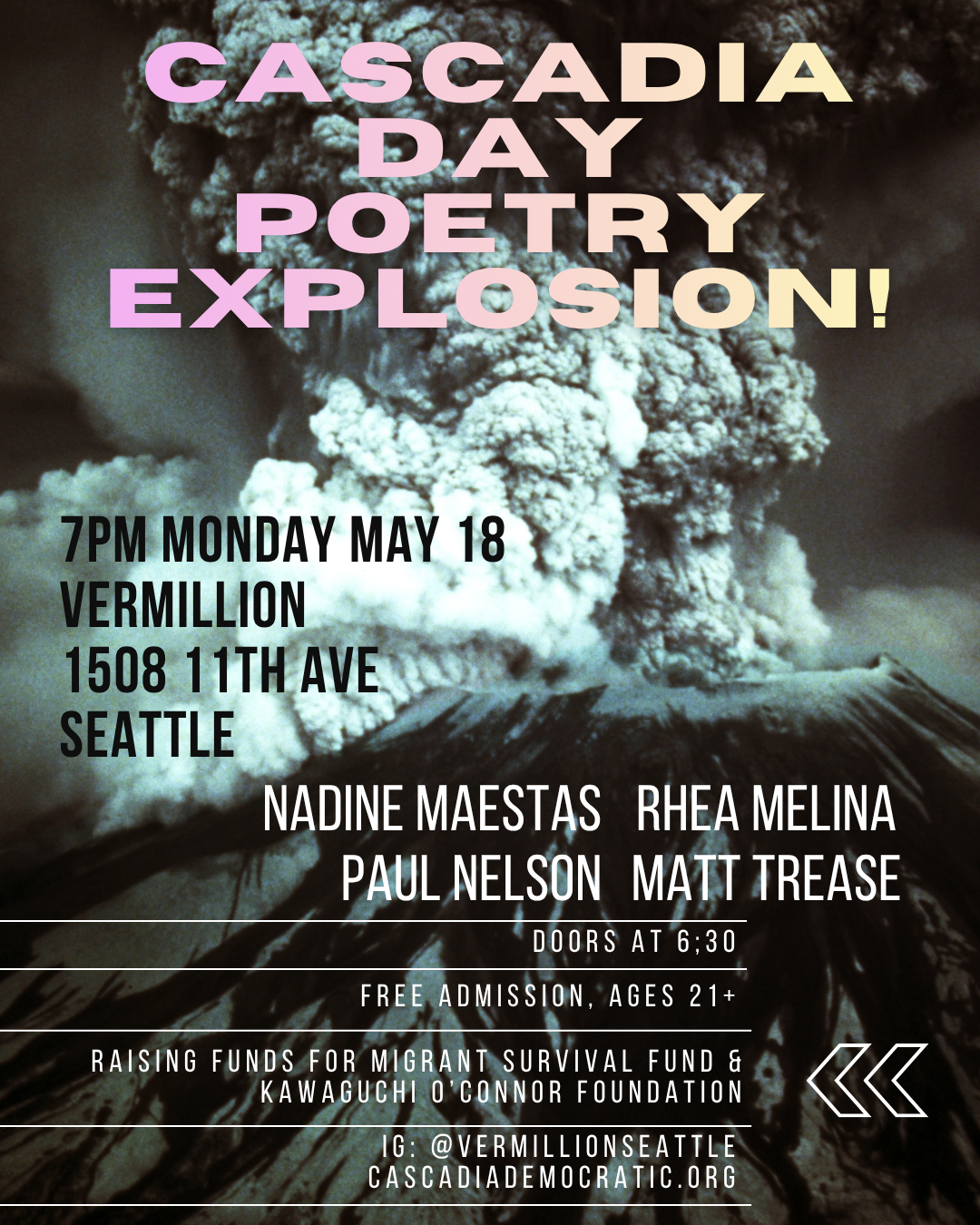
You can celebrate Cascadia's volcanoes and our bioregion on May 18, Cascadia Day, at the Cascadia Day Poetry Explosion. Four poets will read at 7 pm, Monday May 18 at Vermillion bar and gallery at 1508 11th Ave. The event is sponsored by Cascadia Democratic Action and will raise funds for the Migrant Survival Fund and the Kawaguchi - O' Connor Initiative.
Thanks for reading. Keep loving and keep fighting. --Andy
Do you appreciate Cascadia Journal's exclusive reporting on the ways the Pacific Northwest is pushing back against US fascism? If you have the means, please consider a paid subscription of just $5 per month. Each subscription helps me produce original reporting and opinionated notes on Cascadia's fight to build a more resilient and autonomous bioregion. And to those who already subscribe, thank you! --Andrew