To fix transportation, Cascadia needs fiscal independence

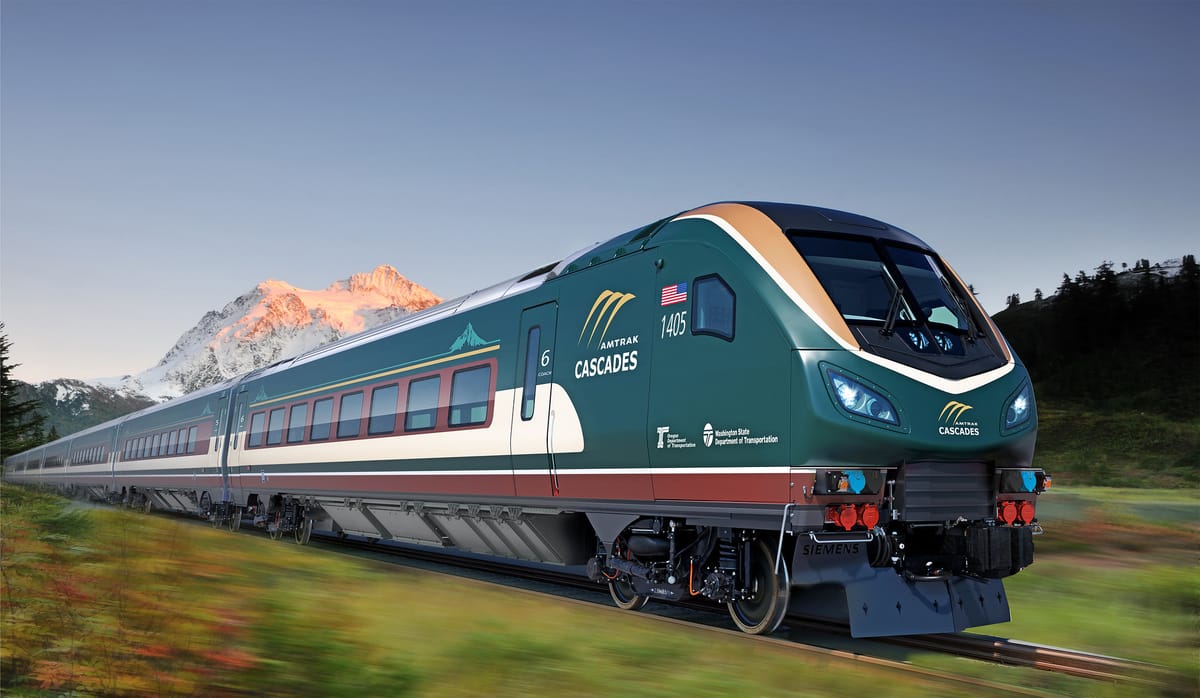
This week, conveniently after the Oregon and Washington legislatures adjourned for the year, there were two sobering announcements about transportation plans in Cascadia.
Hey, a quick request – I'm trying to hit a level of 100 paid subscribers by the end of March and I'm still short of that goal. Will you chip in $5 a month to help me continue this newsletter? Thanks! --Andrew
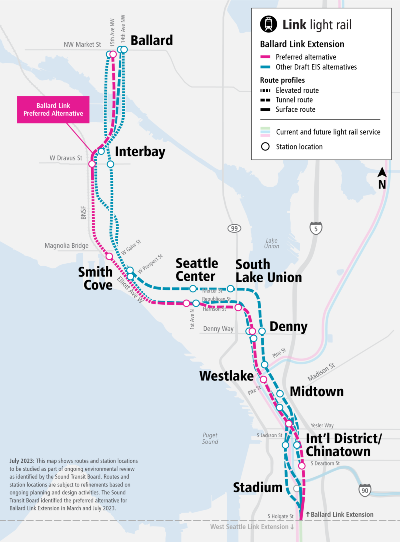
Ryan Packer, who's doing amazing coverage of transit and housing policy at the Urbanist, reported on a meeting of the Sound Transit board, which is weighing options for expansion of light rail rapid transit in the Puget Sound region. The agency is knee-capped by a $34.5 billion funding shortfall thanks to skyrocketing costs. None of the options on the table are good.
Most involve eliminating or delaying stations, cutting complete lines, or making lines end at "stubs" short of population centers. Notably, none of the cost-cutting options complete the line to the Ballard neighborhood of Seattle, which is projected to have upwards of 150,000 daily riders. The cost to complete a line to Ballard, which needs a bridge high enough to let billionaires' yachts sail through the Ship Canal, is $17 billion.
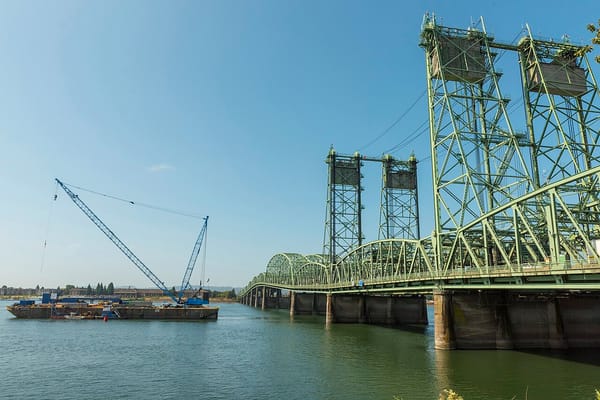
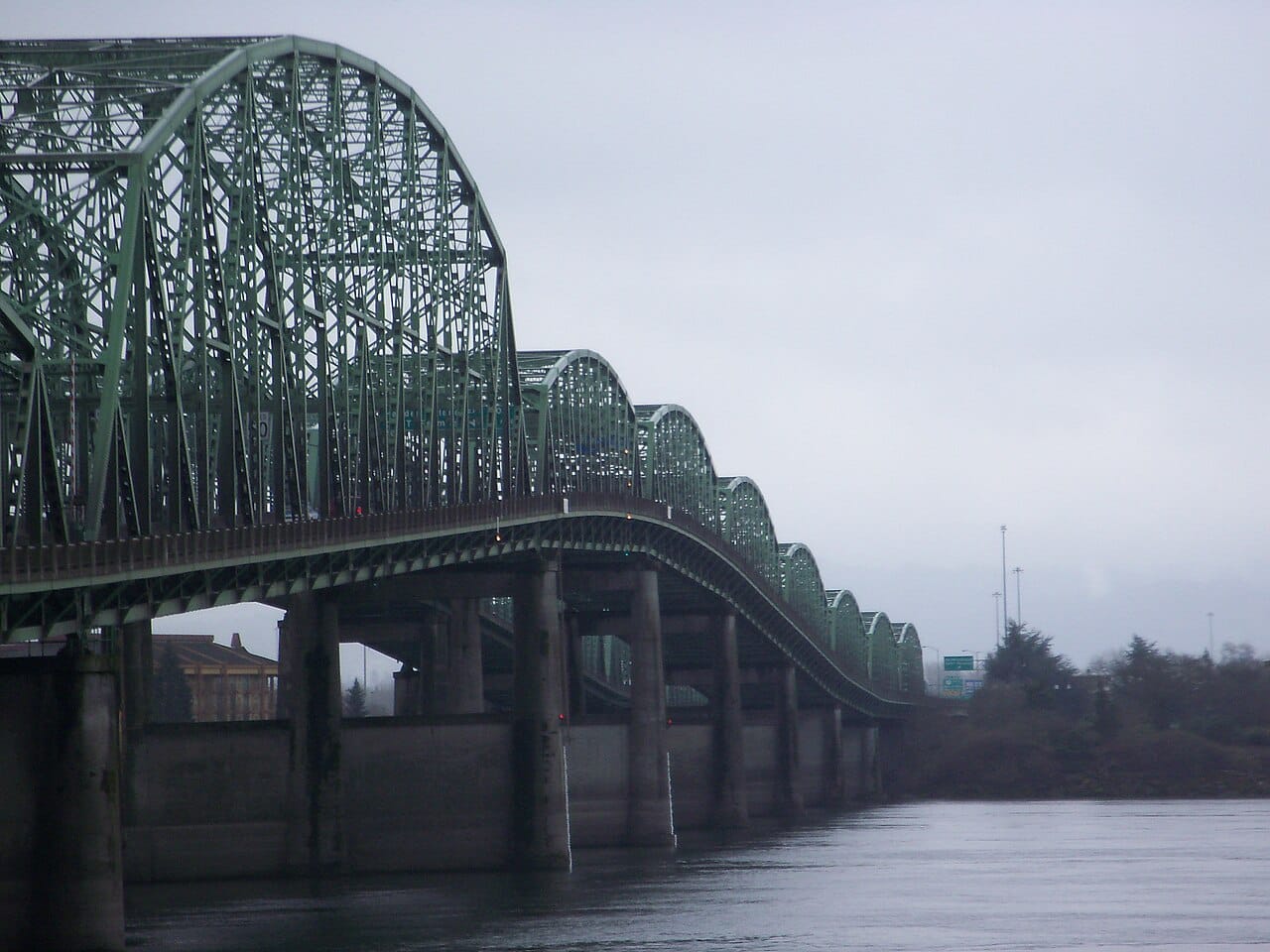
Meanwhile, the Urbanist also reported on this week's announcement that building a new I-5 freeway bridge over the Columbia River linking Oregon and Washington is projected to cost more than double original estimates: the full project could cost as much as $15.2 billion. Washington governor Bob Ferguson and Oregon governor Tina Kotek seem to be leaning toward support for a pared-down version of the bridge that preserves expanded light rail between Portland and Vancouver, WA but would still cost $7.65 billion. The replacement is critical because the 109-year-old bridge is at risk of damage during a major earthquake.
The Cascadia bioregion has a backlog of transportation improvements. Oregon is in the midst of a scuffle over a proposed gas tax to address crumbling bridges and roads as well as improvements to pedestrian safety. Voters will say yeah or nay to that plan later this spring.
Not to mention our region should address climate change and make travel more efficient by creating a high-speed rail network connecting Oregon, Washington, and British Columbia. That network is estimated to cost as much as $42 billion, but that's from a study issued in 2017. It will no doubt be much more expensive.
Cascadia has critical transportation infrastructure needs. And the feds can no longer be relied on to help us. The second Trump administration hasn't funded a single new urban transit project since he took office. The feds have committed more than $2 billion to the Columbia River freeway project, but that predates Trump, who's threatened to cut transportation funds to sanctuary states resisting his mass deportation campaign. A recent feature at Jacobin looks at how the current administration is looking to completely eliminate federal funding for transit.
 Emmett Hopkins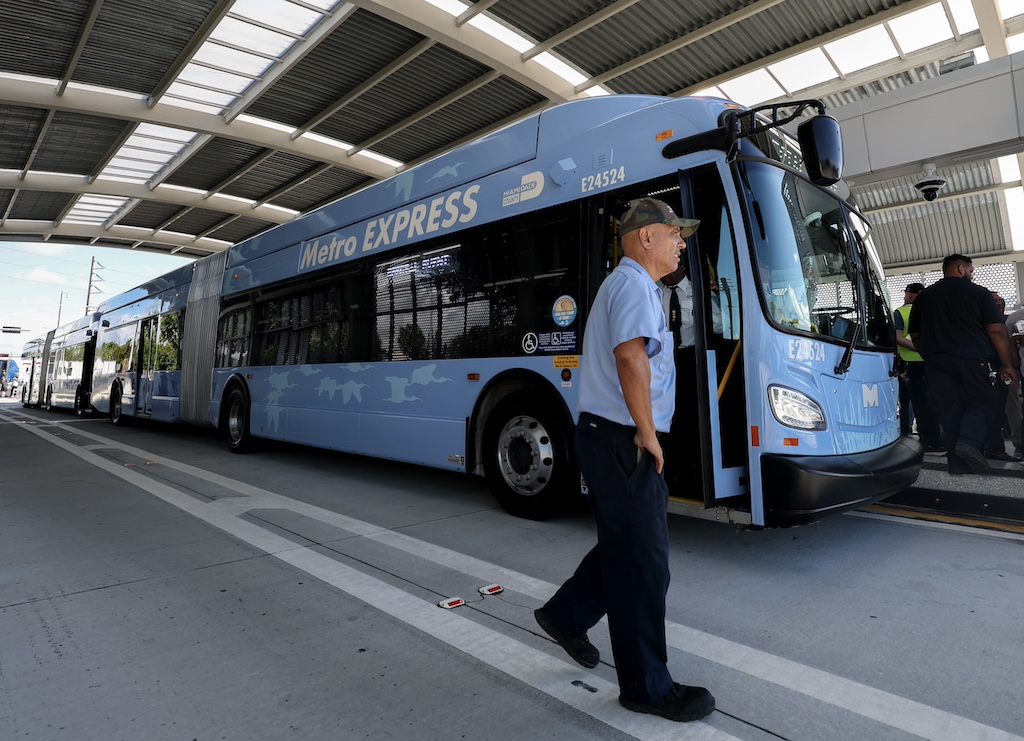
This is a crisis that demands leaders in Oregon and Washington act now.
Cascadia needs to wean ourselves off the federal government and declare fiscal autonomy.
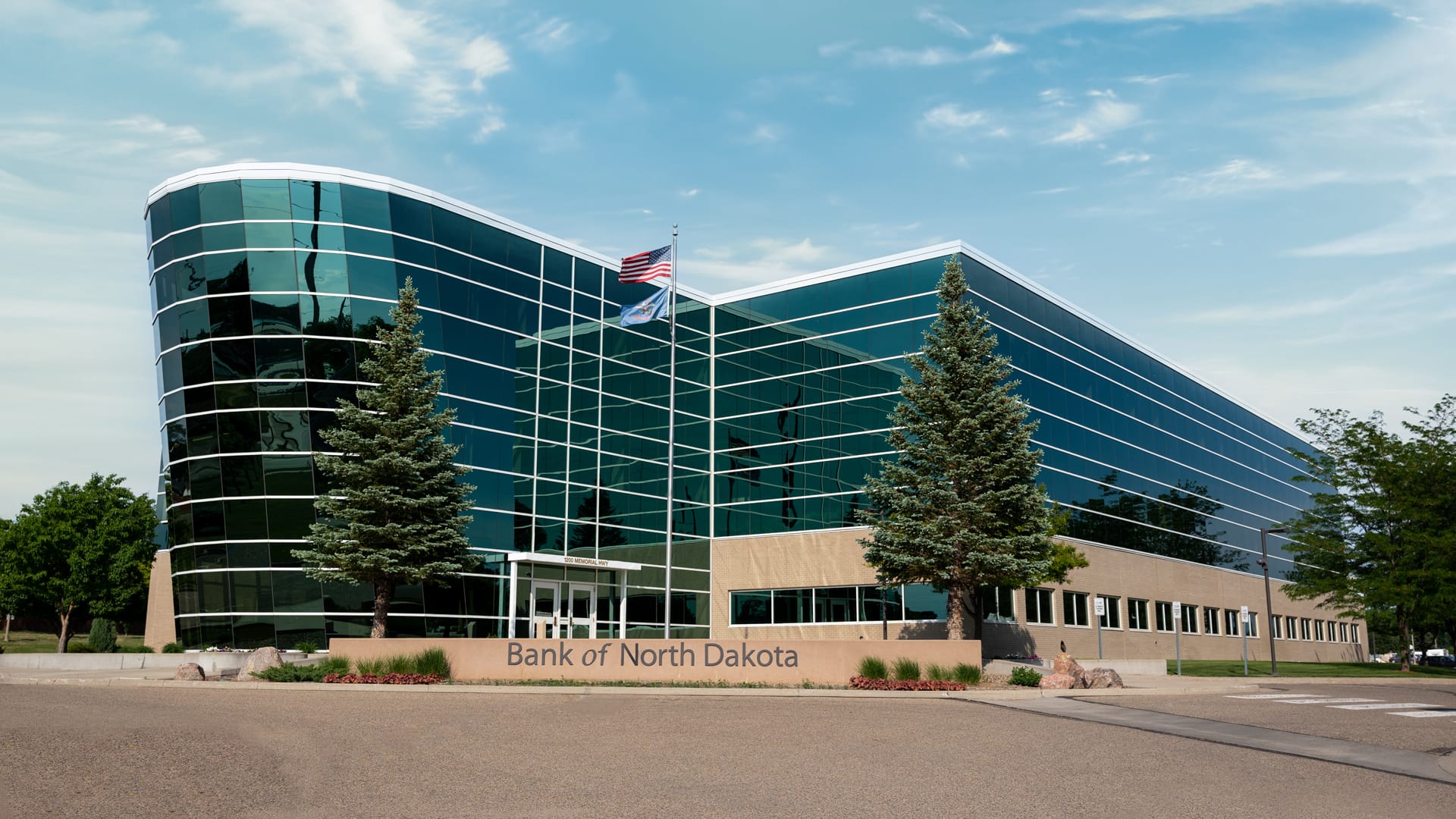
One step to accomplish this: create public state banks in Oregon and Washington.
Public banks keep taxes and fees within the region. They can help fund local infrastructure projects, and provide low-interest loans to local businesses and residents.
In Washington, bills to create a public bank have been introduced since 2009, but have gone nowhere thanks to a strong banking lobby and feckless centrist Democrats. Longtime supporter, state senator Bob Hasegawa (D-Seattle) again pushed a state bank bill this session, only to see the proposal die in committee.
The Oregon legislature, in 2023, passed a bill sponsored by state rep Mark Gamba (D-Milwaukee) creating a state bank. But centrist Democratic governor Tina Kotek listened to the banking lobby and vetoed it.
North Dakota, not exactly a hotbed of socialist activity, has the only public state bank in the United States, and for more than one hundred years, the bank has helped finance state infrastructure projects as well as providing loans to residents, college students, and local businesses.
In the next legislative session, progressives in Oregon, Washington, and British Columbia need to demand the creation of public banks, and consider creating a bioregional Bank of Cascadia that could finance these infrastructure projects and help us stop depending on an unreliable federal government and paying billions of dollars in interest to the global banking industry.
Thanks for reading. Keep loving, and keep fighting. --Andrew
Do you appreciate Cascadia Journal's exclusive reporting on the ways the Pacific Northwest is pushing back against US fascism? If you have the means, please consider a paid subscription of just $5 per month. Each subscription helps me produce original reporting and opinionated notes on Cascadia's fight to build a more resilient and autonomous bioregion. And to those who already subscribe, thank you! --Andrew