Cascadia book bingo: Ecotopia by Ernest Callenbach
One book I read earlier this summer is the Cascadian classic, Ecotopia, by Ernest Callenbach. The futurist novel first published in 1975 was for many the first time they'd considered the idea of an independent, environmental utopian nation in the Pacific Northwest.

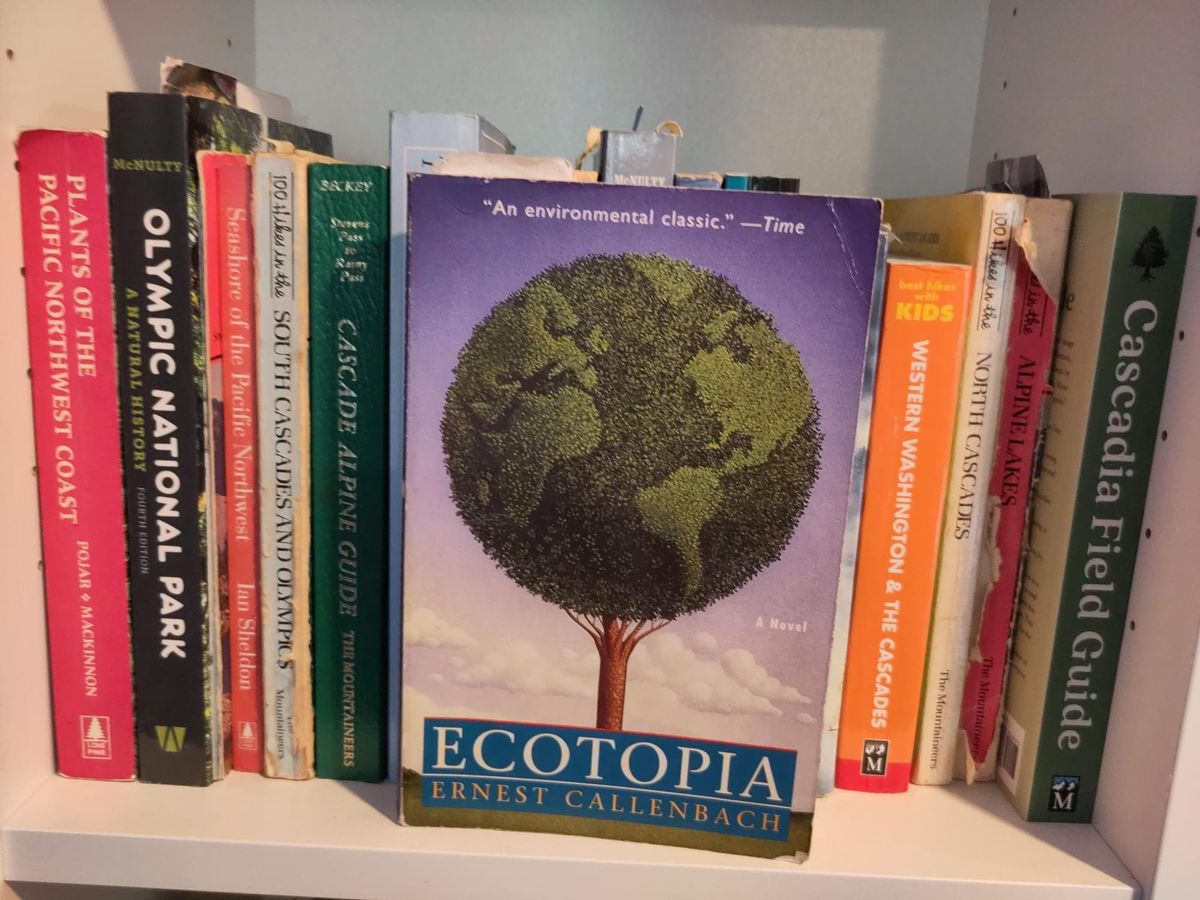
This summer, I've been reading books about Cascadia and by PNW authors, and I've invited folks to join along in Cascadia Democratic Action's summer book bingo challenge. I'll admit I'm not very close to filling in all 24 squares in a variety of categories – from Northwest music to a book with a raven or crow on the cover – but I've done some interesting reading regardless. You still have until Sept 18 to fill in your card, and submit it to cascadiademocratic@protonmail.com or mail it to to CDA, PO Box 20022, Seattle, WA 98122 for a chance to win some fun Cascadia swag! Check out our book suggestions in each category.
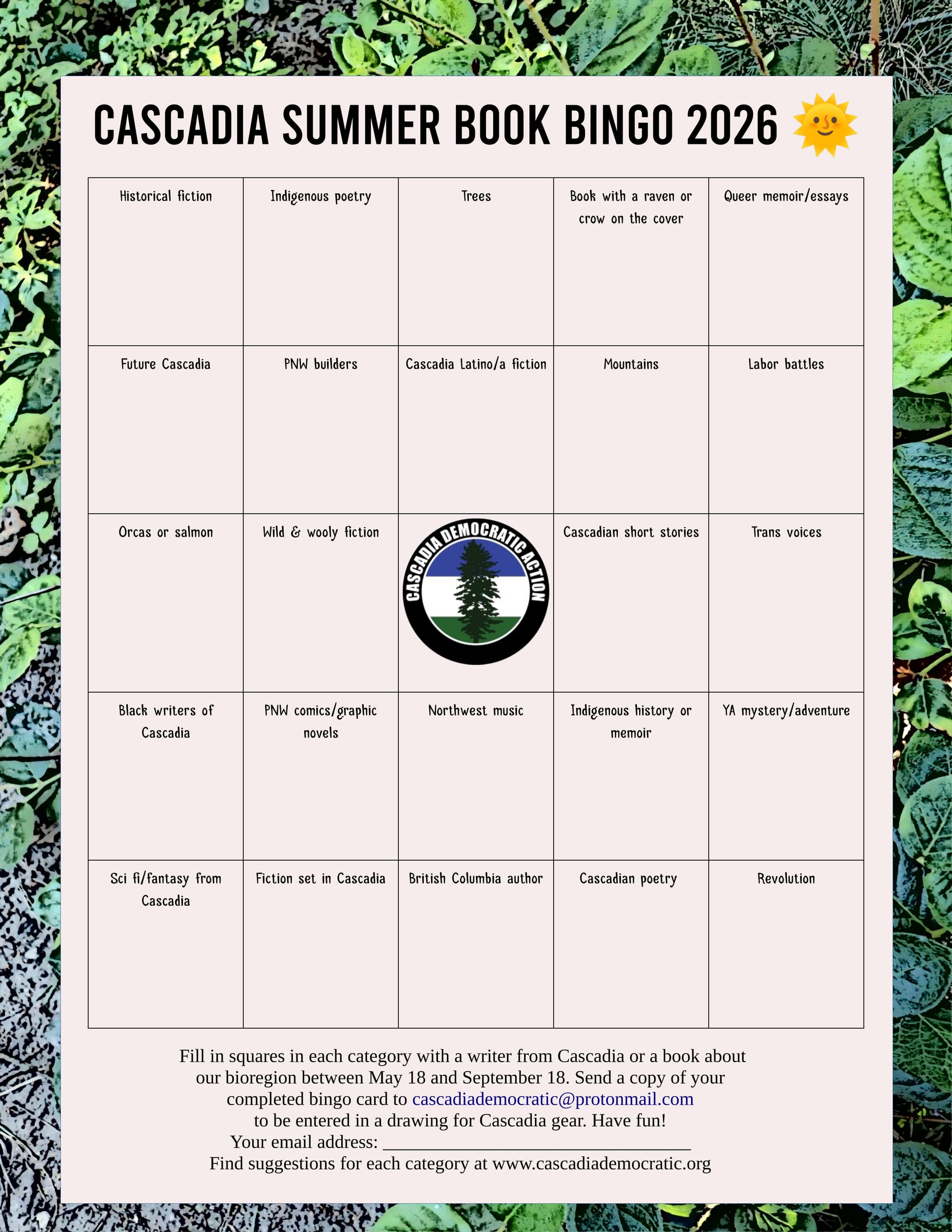
One book I read earlier this summer is the Cascadian classic, Ecotopia, by Ernest Callenbach. The futurist novel first published in 1975 was for many the first time they'd considered the idea of an independent, environmental utopian nation in the Pacific Northwest. The novel is told as a journalist's notebook as a US reporter becomes the fist person from the US to visit the closed, mysterious nation of Ecotopia, which declared independence twenty years earlier.
The reporter, Weston, travels about the new nation, learning about its ecological-minded society. The book is definitely a product of its time – the people of Ecotopia definitely resemble the hippies of the 1960s, and many of the things Weston marvels at are taken for granted today. The cranky journalist, for instance, wonders at how Ecotopians recycle nearly all of their waste and what a pain that must be in daily life. Its small cities have mostly eliminated cars and become pedestrian and transit friendly, another thing that seems like a pretty relevant idea in 2026.
Some changes in Ecotopia are a bit more radical but not inconceivable: a twenty-hour work week, and a focus on paying attention to family, friends, and community in addition to work. Ecotopia's education system focuses on being outside, and obtaining not only knowledge but practical skills such as woodworking, sewing, and making art and music.
Ecotopians also have a very egalitarian, open view of human relationships – what we could now call polyamory is common. Though in Callenbach's telling it's used for a spicy subplot in which the narrator becomes involved with a very open-minded woman who gives off 1960s free love vibes. Clearly Cascadians who practice polyamory today have a lot more skills in terms of communication, consent, and boundaries.
The Ecotopians Weston describes in his journals are generally focused on peaceful negotiation and consensus, but they're not complete pacifists. Callenbach drops hints here and there about how Ecotopians succeeded in seceding: by somehow gaining access to a few nuclear bombs and after hiding them in US cities, threatening to detonate them if the US invades their new ecological paradise. Not exactly ethical or anti-war, those Ecotopians. They also periodically engage in some gladiator-like war games to blow off testosterone, but it's rare someone actually dies in these contests.
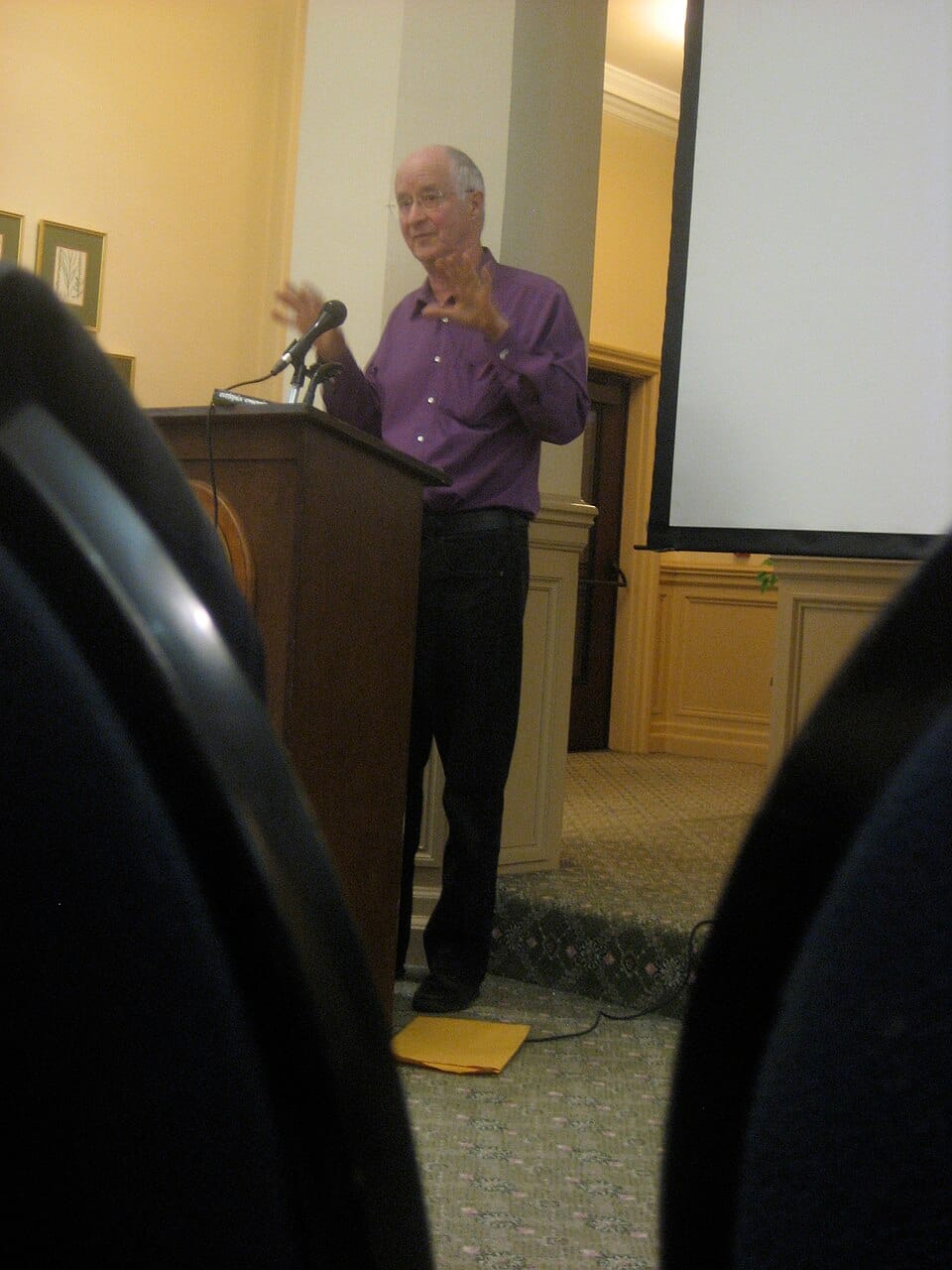
Callenbach, an environmental advocate and writer, wrote a number of other books on ecology, including the 1981 sequel to Ecotopia, Ecotopia Emerging, as well as Ecology: a Pocket Guide, and Bring Back the Buffalo! He died in 2012.
I'm glad I finally read Ecotopia, but most of the novel is so dated and rooted in the time when it was written it's now mostly a historical curiosity. Fifty years later, we're working for an independent nation in the Pacific Northwest and though we may have the same optimistic vision to create a nation that addresses our environmental crisis, we've learned a thing or two since 1975.
Thanks for reading. Have a great weekend. --Andy
Do you appreciate Cascadia Journal's exclusive reporting on the ways the Pacific Northwest is pushing back against US fascism? If you have the means, please consider a paid subscription of just $5 per month. Each subscription helps me produce original reporting and opinionated notes on Cascadia's fight to build a more resilient and autonomous bioregion. And to those who already subscribe, thank you! --Andrew