Cascadia today: Seattle helps the Late 8 bus + Cascadia braces for "mass evaporation" + Portland reforms art tax

Good morning! In case you missed it, this week at Cascadia Journal, I wrote about how Seattle's cruise industry is an environmental disaster. The Port of Seattle loves to talk about the economic benefits of Alaska cruises to Seattle, but says nothing about its many negative impacts.
Combined with the flights people take to get to cruises and the massive emissions these gargantuan ships generate, Seattle Cruise Control estimates the industry pumps out 3 million tons of CO2 each year. That's equal to all the greenhouse gases generated each year by Seattle's residential and commercial buildings, plus all the cars, trucks and buses COMBINED.
 Andrew Engelson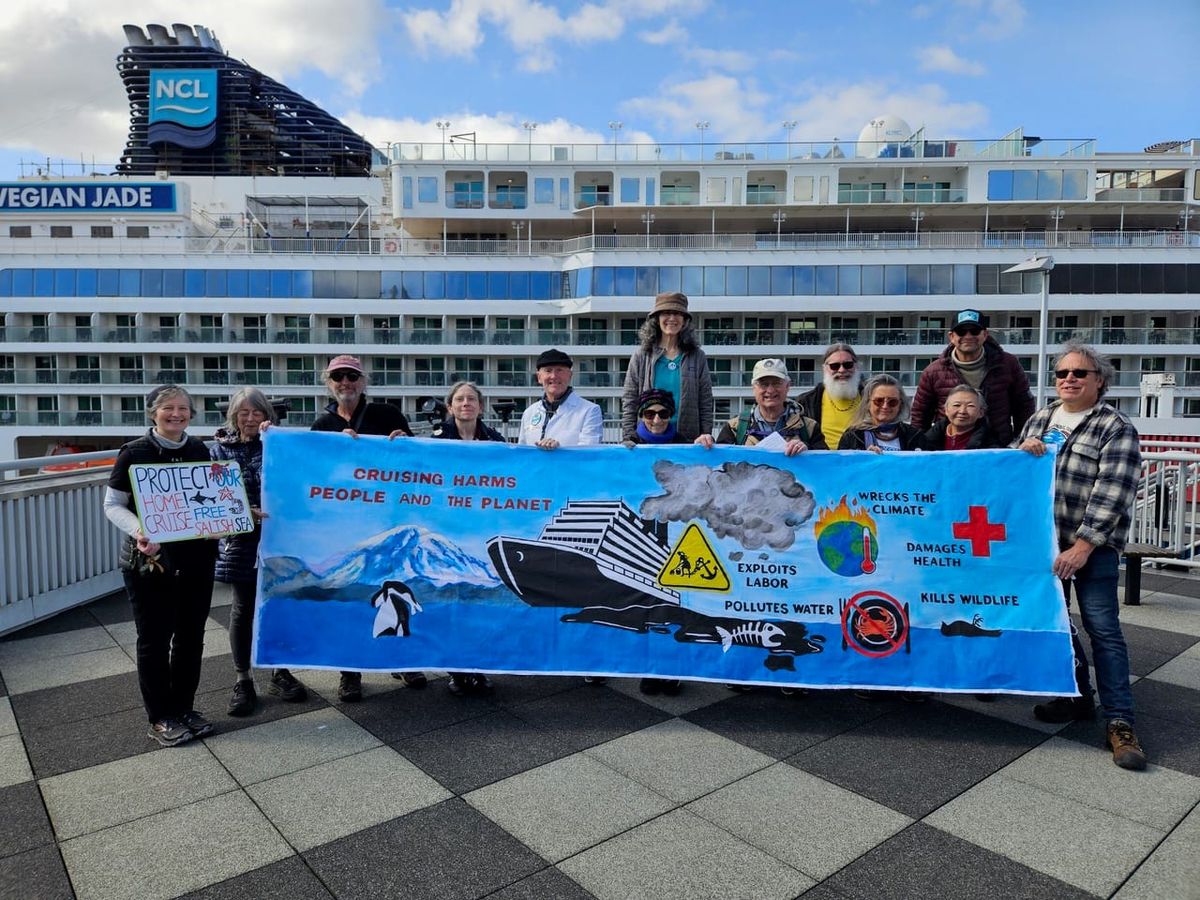
Not to mention these ships dump acidic scrubber waste water in Cascadia's seas, interfere with orcas' ability to hunt, and exploit the labor of foreign workers. Give it a read this weekend. And don't take cruises!
Seattle works to fix beleaguered bus line
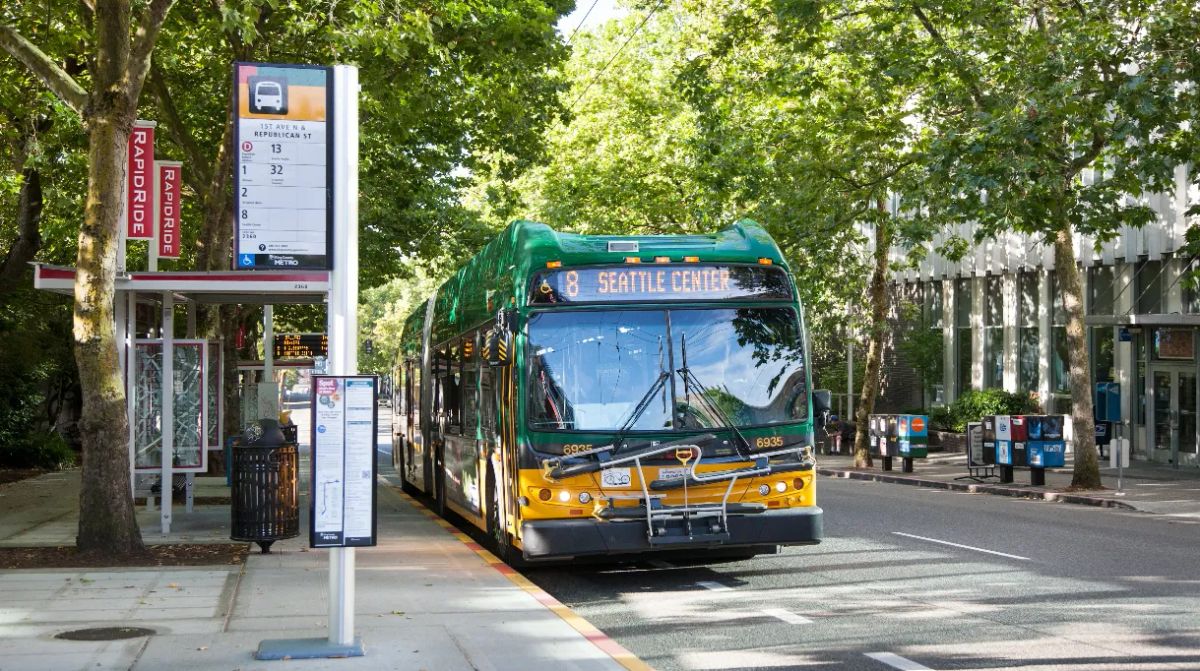
The Urbanist reports on Seattle mayor Katie Wilson's plan to improve service of the often delayed 8 bus line between the tech center of South Lake Union and Capitol Hill with new bus lanes and a reroute of car traffic waiting to get on I-5. Suburban auto commuters who don't live in the city are miffed, but it's great to see on of Cascadia's mayors taking transit and climate action seriously. In other transportation news, Portland is considering a new utility fee to generate about $46 million annually to deal with a backlog of street repairs.
OR raises public university tuition again
Oregon Capital Chronicle reports that the state of Oregon will raise tuition rates at its public universities for the 12th year in a row. Because the state depends on tuition rather than meager state funding, Oregon has the highest public university tuition rates on the west coast. Meanwhile, because of cuts to subsidies, more than 24,000 people in Idaho are expected to fall off of health insurance.
Why is it that every year, more and more people in our region feel like it's harder and harder to get the education, child care, and health care they need? We can do better: Cascadia needs to assert its fiscal independence, tax the immense wealth in our region, and do what most wealthy nations in the world do: provide our residents universal health care, free public education and college, and a robust safety net.
Andrew Engelson
Seattle affordable housing has substandard conditions
Seattle Housing Authority's affordable public housing is plagued by maintenance issues associated with heating, plumbing, electricity, and appliances, the Urbanist reports. The article cites a new report published by the nonprofit Got Green, which is now led by Shaun Scott, who also serves as state rep for the 43rd district and is the legislature's most outspoken socialist. In other housing news, KUOW reports on efforts by some city and county council members to dissolve the King County Regional Homeless Authority, which an audit recent found has lost $13 million it can't account for.
How will Cascadia enforce surveillance & masking limits?
Oregon Capital Chronicle looks at Oregon's new law limiting access to data gathered by automatic license plate readers. The article poses the million-dollar question: can Oregon (and Washington) enforce these bills and ensure data doesn't fall into the hands of federal immigration officials? The same goes for laws in Oregon and Washington prohibiting agents from using masks to hide their identity: ICE goons this month made a raid in federal immigration court in Seattle and were masked. What if anything did local police do? Nothing.
Mask bans aren't enough. Cascadia needs to assert our autonomy and do everything it can to evict ICE from Oregon and Washington, either by denying permits, imposing high fines, or forbidding flights from county-owned airfields.
Region braces for "mass evaporation" event
Columbia Insight reports that scientists and state planners are looking anxiously to summer in Cascadia after record low snowpack in Oregon and Washington this winter. They're bracing for a potential "mass evaporation" event in which high temperatures combined with low snow levels could cause severe drought and low stream flow.
“If you happen to have low precipitation in the winter or not enough snow in the winter, it’s now a lot harder to get out of that drought because you’re going to need so much more precipitation to recover that deficit,” – Emily Williams, University of California, Merced.
Portland works to reform its art tax
Oregon Arts Watch looks at efforts to reform Portland's local tax that funds art programs across the city – in addition to raising the household fee from $35 to $50, the program is working to diversify where the money is spent and focus on smaller, less established organizations. The group Portland Arts & Culture for Equity has been pushing for reform and praised the city council's recent steps.
Thanks for reading. Have great weekend! --Andy
Do you appreciate Cascadia Journal's exclusive reporting on the ways the Pacific Northwest is pushing back against US fascism? If you have the means, please consider a paid subscription of just $5 per month. Each subscription helps me produce original reporting and opinionated notes on Cascadia's fight to build a more resilient and autonomous bioregion. And to those who already subscribe, thank you! --Andrew