Cascadia today: New BC Indigenous protected areas + Seattle seeks to ban junk fees + 20 best PDX food carts

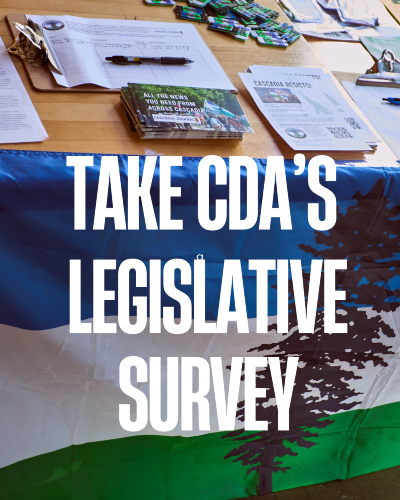
Hey readers, we want to hear from you about Cascadia's legislative priorities in Oregon and Washington next year. Cascadia Democratic Action is taking an anonymous survey of proposed legislation in 2027, plus asking you to tell us about things we may have missed. Take the survey here or click the banner below. Thanks!
BC proposes three new Indigenous protected areas
The Tyee reports that the British Columbia government is working with First Nations to declare three new Indigenous Protected and Conserved Areas (IPCA) that would total 1,270 square kilometers of critical habitat. The Qat’muk IPCA managed by the Ktunaxa is in the mountains of eastern BC; the Rausch Valley IPCA in the interior forests near Prince George will be managed by the Simpcw, and the Sto:lo, Nlakapamux and Syilx Nations will manage a parcel in the Skagit Valley headwaters. The Skagit "doughnut hole" was once planned to be a copper mine, but pushback from Indigenous nations and environmental groups on both sides of the border pushed the cancellation of those plans. The headwaters provide critical habitat for bull trout and chinook salmon, which I wrote about for Crosscut in 2020.
Seattle mayor backs bill to ban rental junk fees
KING-5 reports that Seattle mayor Katie Wilson is backing a bill in city council that would require landlords to clearly list additional fees and would ban "junk" charges including pet rent, mail collection, using common areas, in-unit appliances, and paying by check or money order.
OR pear growers seek disaster aid
Oregon Capital Chronicle reports that pear orchardists in the Hood River valley of Oregon are seeking a disaster declaration for a combination of poor crop, increased pests, high diesel prices, and new overtime requirements for workers. In April, I wrote about the pressures on pear growers for Columbia Insight.
Immigrant who contributed much to Yakima self-deports
RANGE Media reports on Flor Sánchez, an immigrant woman from Mexico who worked as a cherry picker and developed a new device for trimming excess blooms on cherry trees. Sánchez was pressured to self-deport in January and leave behind her husband and six-year-old son thanks to Donald Trump's cruel, racist mass deportation campaign.
The feds' deportation campaign isn't about enforcing rules, it's about demonizing an removing immigrants who contribute to Cascadia's communities and our economy.
Tons of toxic chemicals in Seattle women's breast milk
KUOW reports on a new study that finds the breast milk of women in Seattle contains high levels of contaminants that can lead to health problems such as cancer, diabetes, and poor endocrine function. The chemicals include BPS, melamine, and triclosan. Triclosan, an anti-bacteria drug that's been found to interfere with thyroid function, is banned in hand soaps in Canada and the US but incredibly, is still allowed in toothpaste. How about it, Washington and Oregon? Let's ban this dangerous chemical once and for all.
Portland's 20 best food carts
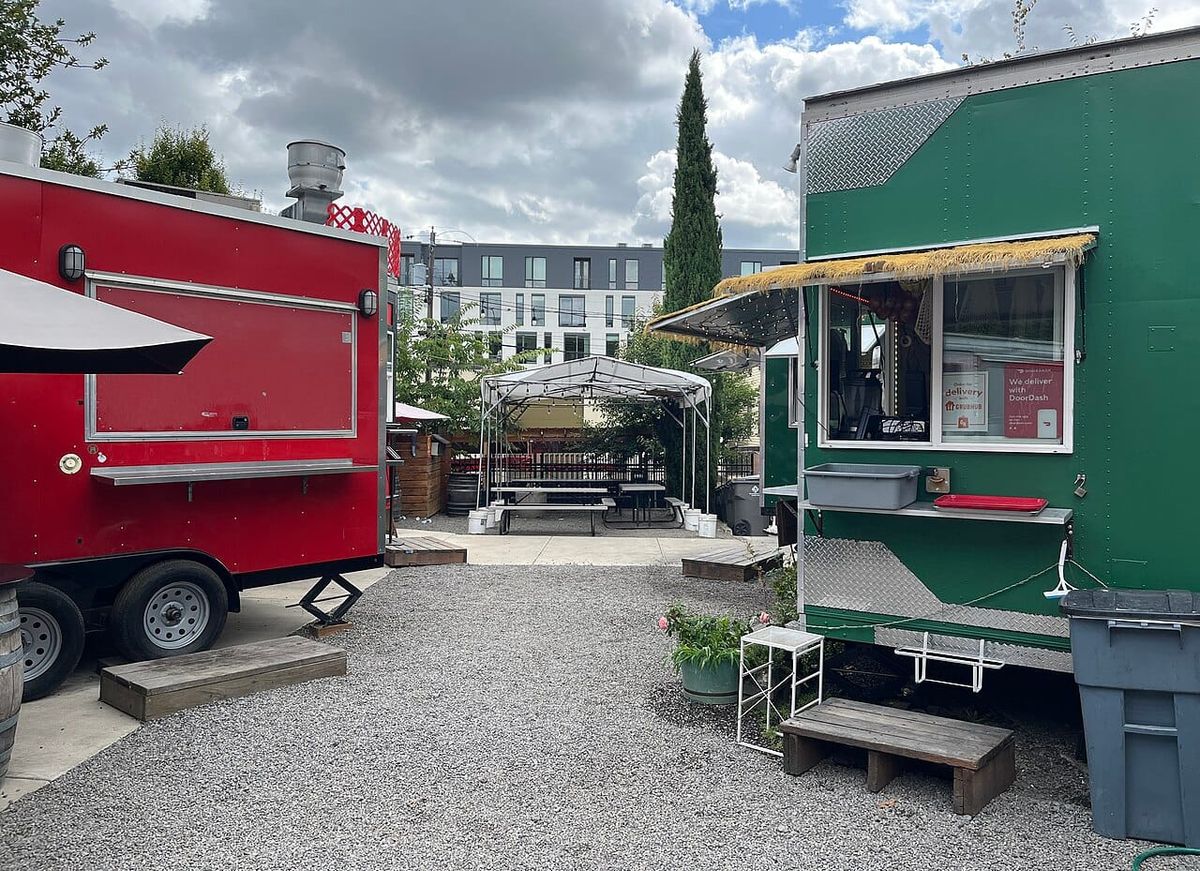
Portland is legendary for its widespread food cart culture, and the Portland Mercury did its due diligence and reports on what it says are the 20 best food carts across the city. Check out the list, it's a mouth-watering collection of Mexican, barbecue, Korean wraps, handmade pasta, Filipino burgers, sushi, and home-baked cakes. Yum.
Thanks for reading. Keep loving and keep fighting. --Andy