Cascadia today: Hunger strike continues at Tacoma ICE camp + Portland blows up water tower + Rasheena Fountain writes about Black environmentalism

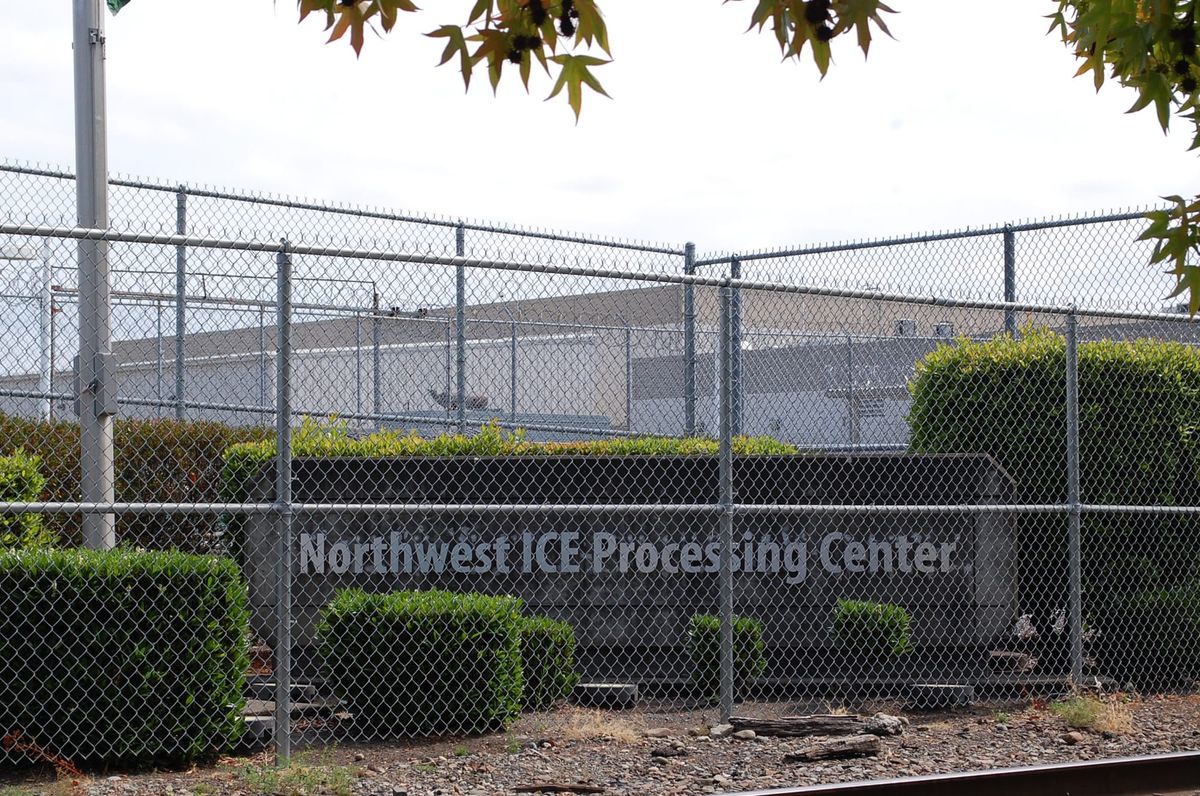
Member of Congress visit Tacoma ICE camp
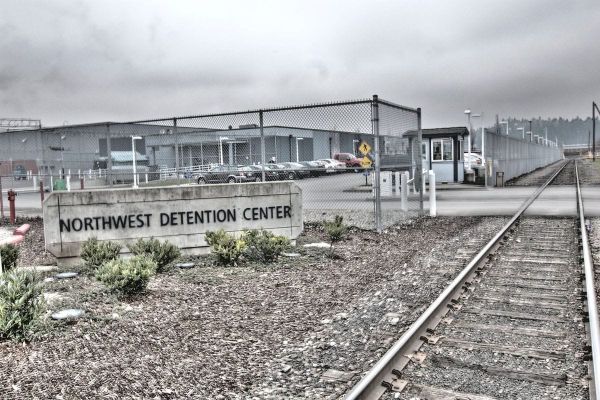
Oregon Live reports that two Democratic members of Congress from Cascadia, Maxine Dexter of Portland, and Emily Randall, whose district includes Tacoma, paid an unannounced visit to ICE's Northwest Detention Center this past weekend. The ICE detention camp was the focus of protests and a vigil after reports that 140 detainees were on a hunger strike to protest inadequate food and poor medical care. The reps were provided access to the dining facilities but denied access to the medical facility within the camp. In related news, King County has finally hired an observer to track ICE deportation flights out of Boeing field, the Seattle Time reports. Activist group La Resistencia (which has its own monitoring program at the air field owned by King County) has for years pressured the county for an observer, and for the county to enforce safety regulations. The group accuses ICE of violating King County rules regarding refueling of aircraft while detainees are on board in shackles.
WA state senate race heads to recount
A Washington state senate race in the 42nd district will face a recount after only four votes separate two contenders for the Democratic slot in the race, Washington State Standard reports. The district encompasses north Bellingham, Lynden and Blaine just south of the WA-BC border. The contest is between Michael Shepard, a centrist and Eamonn Collins, a progressive. Shepard currently leads by four votes 13,125 to 13,121.
Vancouver mayor pushes dumb plebiscite on public drug use
In political news north of the 49th parallel, the Tyee looks at Vancouver mayor Ken Sim's reelection campaign and a dumb plebiscite he's pushed onto the October ballot by his center-right ABC party that's only advisory. The measure is an obvious ploy to bring out pro-cop voters, with its call to "strengthen laws" in regard to public drug use, and to creating an "involuntary care" center for people with mental health or drug use issues. Of the measure, Mo Amir writes: "It might work as a campaign strategy to galvanize the ABC base. But it is as cynical as it is vapid, which comes with risk."
Portland blows up water tower atop warehouse
OPB reports that the city of Portland intentionally blew up the water tower atop the fire-damaged Centennial Mill warehouse on the shores of the Willamette River, taking down a structure that was in danger of collapse and had temporarily shut down freight and passenger rail traffic on nearby tracks. The explosion went much better than Oregon's attempt to destroy a rotting whale on the coast in 1970, which went awry as huge chunks of rotten blubber rained down on the assembled crowd of onlookers.
Killing sea lions won't solve Cascadia salmon crisis
An opinion piece at Columbia Insight is critical of a federal bill, H.R. 9621, the Northwest Endangered Salmon Predation Prevention Act, which would legalize the shooting of sea lions and other pinipeds that are preying heavily on salmon. The issue the bill seeks to address are sea lions congregating and feeding at the base of dams, including Bonneville dam on the Columbia. The author correctly notes that killing of predators dodges the central issue: these dams impede migration of salmon and have decimated salmon runs throughout Cascadia.
"Killing a predator asks comparatively little of us.
The harder question is whether we are willing to change ourselves. Salmon recovery may require economic and cultural compromises—different fishing practices, different investments and different expectations about what rivers and ecosystems must provide for us." --Ronald D. Reed
An interview with Rasheena Fountain, Black environmental writer
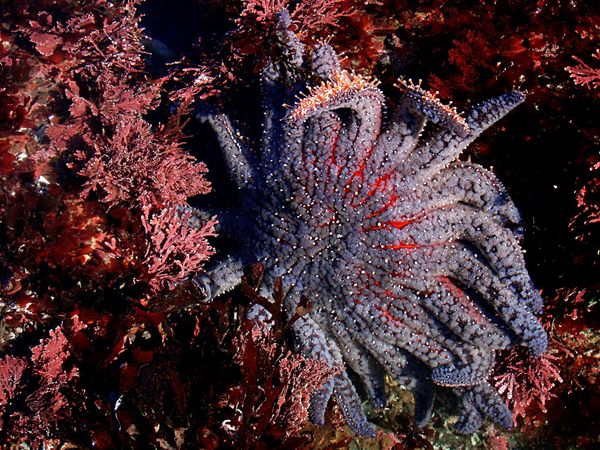
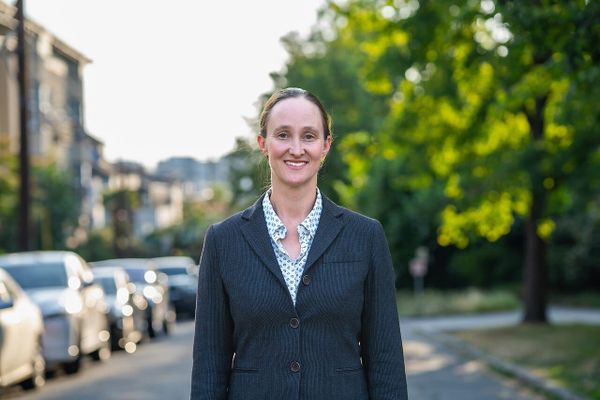
The Stranger has a great profile of Black environmental writer Rahseena Fountain, whose memoir Starfish Blues looks at racism within environmental science and activist organizations, and challenges assumptions of apathy within the BIPOC community with regard to ecology and climate change.
"It’s not a lack of care, it’s just that Black people engage with the environment in a different way. My own family was incredibly into nature. My grandfather would watch nature channels. That was his way to travel across boundaries that wouldn’t be possible as a Black man in that time. My grandmother gardened in the backyard, in what is considered a concrete jungle.” --Rasheena Fountain
Thanks for reading. Keep loving and keep fighting. --Andy