Cascadia today: Workers struggle to make ends meet + prescribed burns needed in WA + OR failing to rename places with offensive names
Working Cascadians struggling to make ends meet
Hope you had a good Labor Day – I took the afternoon to explore Point Defiance Park, a beautiful (and huge!) public park at the northern tip of Tacoma. Over the weekend, there were several labor-focused articles in local media including a detailed piece at KUOW interviewing working people across the Puget Sound region. The high cost of living is a major concern for most of those interviewed – and in fact, a recent study found that Washington state is the fifth-most expensive state to live in. Whether it's rent, groceries, fuel, or child care, many people in Cascadia are struggling to meet their expenses.
“Regardless of what your political views are, at the end of the day, you're just trying to feed…yourself and your family and have a roof above your heads.” --Markfirah Kreung
In related news, Real Change talks to hotel workers at the Embassy Suites in downtown Seattle, who have now been on strike for two months. Their wages aren't enough to live in the region, and asking them to simply "take another job" isn't a solution. Meanwhile, Kathy Lara, writing for the Oregon Capital Chronicle says the solution to Oregon's "prosperity crisis" (which governor Tina Kotek commissioned a task force to study) is increasing union membership to ensure workers make a living wage. And the Portland Mercury interviews Chris Smalls, who's leading a nationwide campaign to unionize Amazon warehouses.
OR coast failing to build tsunami evacuation structures
OPB reports that Oregon state emergency planners are disturbed that only one vertical tsunami evacuation tower has been built on the Oregon coast – when officials estimate that 15 to 20 will be needed. The article notes that 40,000 people could die on the Oregon coast in a major, magnitude 9 subduction earthquake and resulting tsunami if the structures aren't built.
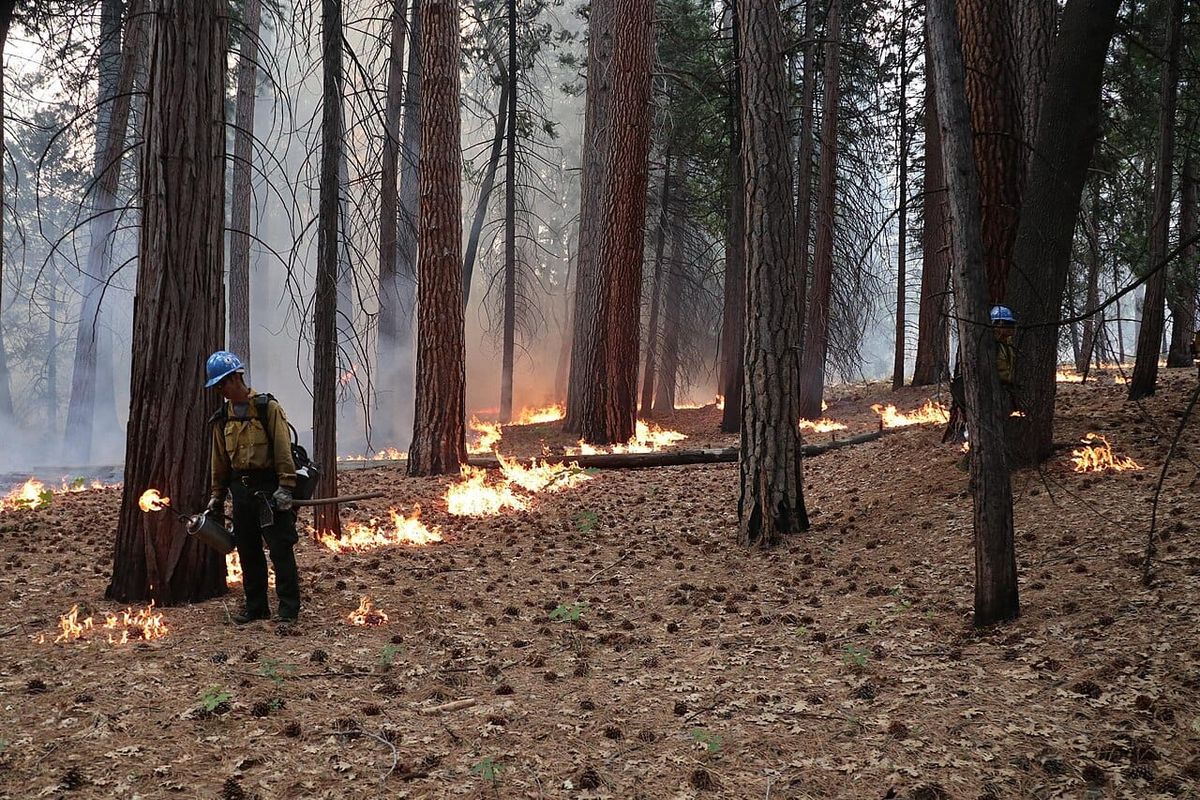
Setting fires to improve forest health in WA
Washington State Standard looks at efforts to improve forest health and prevent catastrophic wildfires by setting controlled burns in the Cascade range. The piece looks at efforts near Roslyn, in the central Cascades, as well as near Mount Adams in southwest Washington. Unfortunately, these smart, preventative programs face deep budget cuts at both the federal and state level.
BC salmon going blind in ongoing drought conditions
The Tyee takes an in-depth look at how persistent drought conditions in the Shuswap region of south central British Columbia are causing migrating chinook salmon to go blind and die before spawning. Water levels in the Salmon river have been at record lows, and pressures of irrigation and water use aren't helping. More than 85% of BC's watersheds were in drought conditions in 2023, thanks to climate change. Cascadia must take bold climate action as it moves toward autonomy.
 Andrew Engelson
OR far behind on renaming places with offensive names
OPB reports on the inadequate effort to rename places in Oregon with names that are offensive to various ethnic and racial groups, including Indigenous, Black, and Asian American communities. Even though the legislature passed a law last year requiring the changes, little progress has been made, with just two places having their names changed out of 90 that the state deemed offensive. Oregon has a long, shameful history of racism, including a provision in the state constitution passed in 1857 that forbid Black people from moving to the state (which was not officially changed until 2000!)
Thanks for reading. Keep loving and keep fighting. --Andy