How an independent Cascadia would benefit tribes
Any movement toward autonomy and independence for Cascadia must include in its coalition tribes and Indigenous people.
I've written in this newsletter about how an independent Cascadia would better serve the people of Oregon and Washington. We currently pay $51 billion more in taxes to the federal government than we receive back in funds and services. With those funds retained at home, we'd have more resources to fund things we need in our region like universal health care, paid college tuition, high speed rail, and investments in clean energy.
We'd be able to set a rational trade policy. We'd be free from our part of a bloated $1 trillion military budget, and we could finally deport ICE agents from our region and close down their concentration camp in Tacoma. We'd ensure that our elections are free and fair. And we'd manage our forests and waters to ensure Cascadia has a healthy, functioning ecosystem.
But how would autonomy or independence benefit the Indigenous people of Oregon and Washington?
The organization I helped found, Cascadia Democratic Action, has a mission statement that includes a commitment to "the foregrounding of Indigenous rights and sovereignty."
What does this mean in practice?
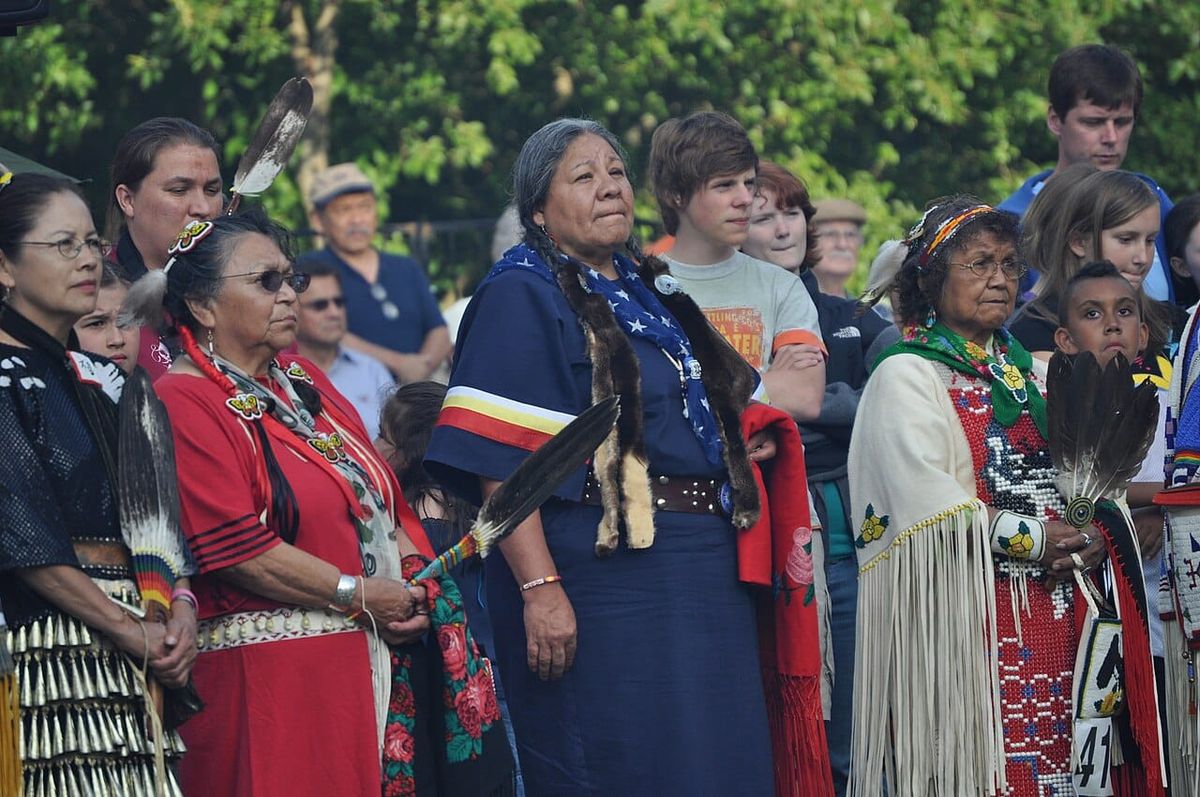
First, it means that any future government in the Cascadia bioregion must honor all existing treaties signed between the 38 recognized tribes of Oregon and Washington and the United States. That includes affirming court rulings guaranteeing hunting and fishing rights such as the 1974 Boldt decision.
It means that any future government must continue to recognize tribes as sovereign nations and work with all Indigenous groups to address the issue of the fifteen tribes in Oregon and Washington not currently recognized by the federal government.
As Cascadia moves toward independence, it should support signing and honoring the UN Declaration on the Rights of Indigenous Peoples (UNDRIP), which guarantees rights and consultation for Indigenous people – and which has never been signed and ratified by the United States. In particular, Cascadia should advocate for adoption of article 19 into law (as Canada did in 2021):
“States shall consult and cooperate in good faith with the indigenous peoples concerned through their own representative institutions in order to obtain their free, prior and informed consent before adopting and implementing legislative or administrative measures that may affect them.”
In addition, our bioregion should work to address the harms of colonization on Indigenous people by working to further increase rights and funding for tribes in Oregon and Washington.
The Cascadia independence movement should affirm cross-border rights for Indigenous people in our bioregion. This means supporting the Federated Tribes of the Colville’s lawsuit in British Columbia courts asserting the right of the sńʕaýckstx (Sinixt) in Washington to receive meaningful consultation from the British Columbia government. It means affirming the 2021 Desautel ruling guaranteeing Colville tribal members the right to travel to and hunt in British Columbia. It means support for full implementation of the 1794 Jay Treaty, which grants all Indigenous people in North America the right to travel across the BC- Washington border without passports.
In order to right the wrongs of several centuries of genocidal colonialism, including the introduction of diseases, eradication of culture and language through a cruel residential school systems in the US and Canada, and the stealing of land through misleading treaties and theft, a future Cascadia should work toward a meaningful, concrete plan of land back to tribes.
This should include, but not be limited to, transferring a significant portion of current federal lands to tribal management. It should include meaningful funding for Indigenous health care, education, and social services, and funding to promote the preservation and passing on of Indigenous languages, art, and culture.
Indigenous language, art, and culture aren't relics of the past – they're vibrant, living ways of being that continue to thrive and are being passed on to the next generation.
 Andrew Engelson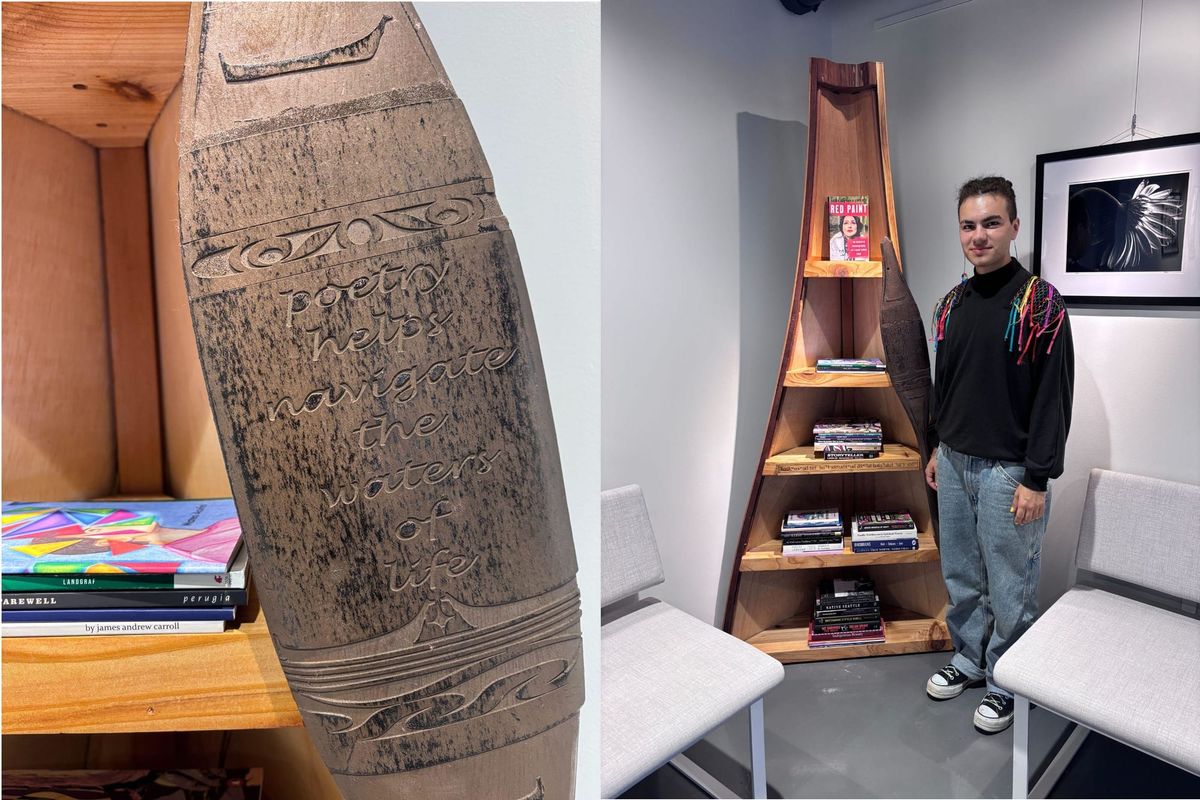
Cascadia should also commit to strong measures to protect the environment of our bioregion, to address climate change, and to ensure the protection of endangered and threatened species, especially salmon and our resident orca population.
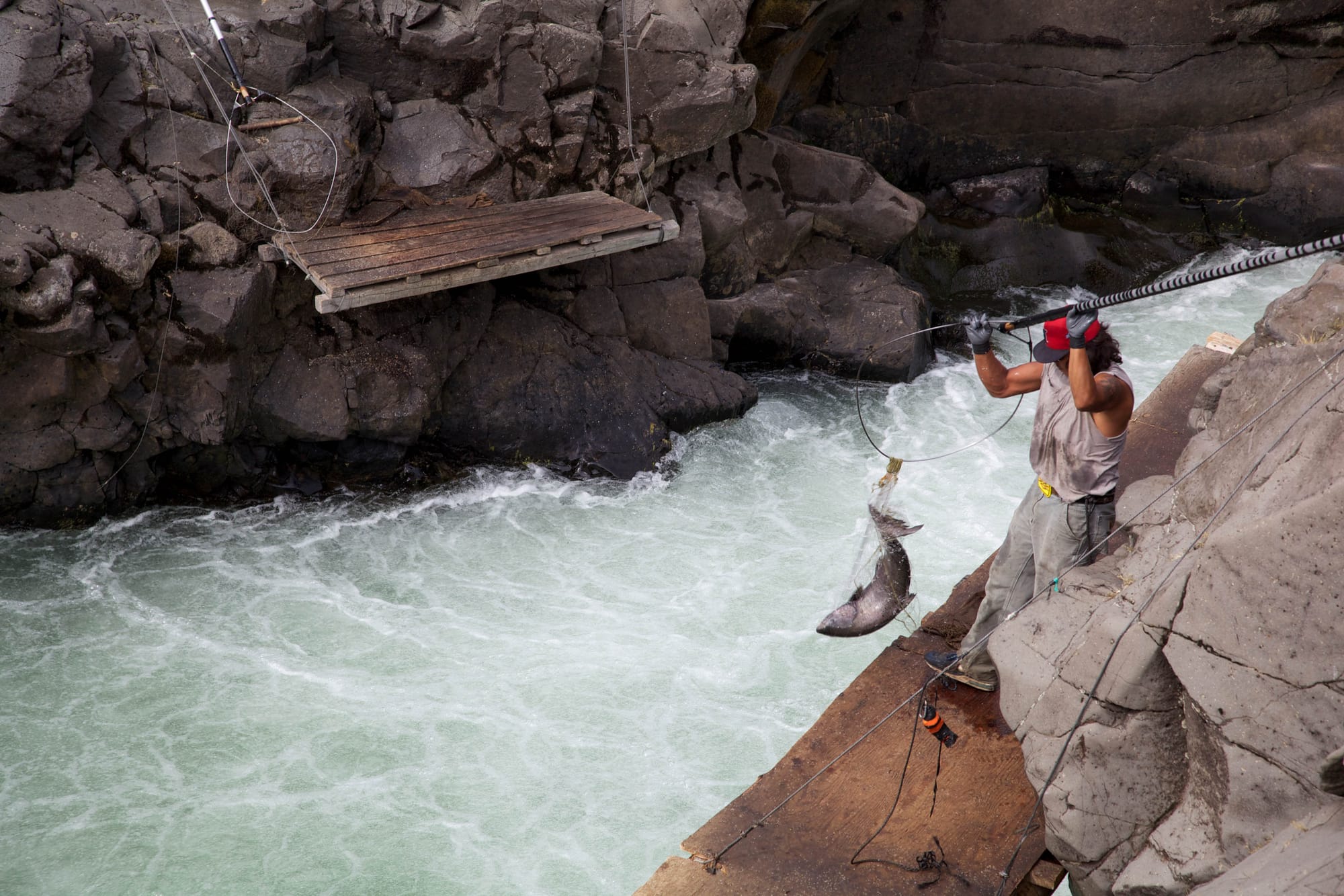
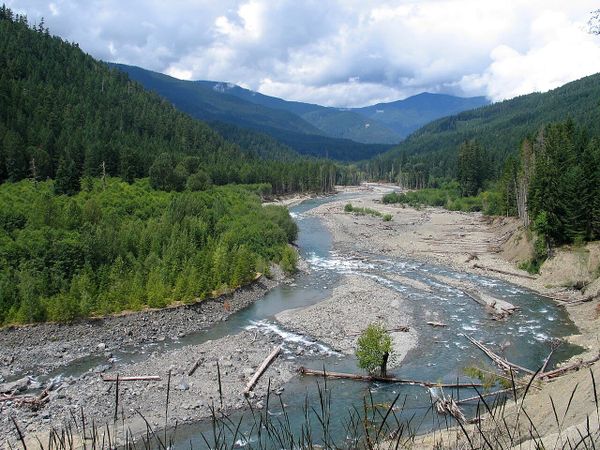
To that end, those of us in the Cascadia movement should join tribes such as the Yakama and Lummi Nations in calling for the removal of dams on the Nch’i-Wàna (Columbia) River. And we should support the Yakama Nation, the Confederated Tribes of the Warm Springs, the Confederated Tribes of the Umatilla Indian Reservation and the Nez Perce Tribe in calling for the removal of dams on the Lower Snake River.
And, as I've written here previously, we should join the Puyallup Tribe in returning the name Tahoma to Washington state's highest peak (as well as working to return other Indigenous names to the mountains and rivers in our bioregion).
This is just the start of a conversation that will involve listening and building trust. It must involve meaningful consultation. Any movement toward autonomy and independence for Cascadia must include in its coalition tribes and Indigenous people.
Thanks for reading. Keep loving and keep fighting. --Andy
Do you appreciate Cascadia Journal's exclusive reporting on the ways the Pacific Northwest is pushing back against US fascism? If you have the means, please consider a paid subscription of just $5 per month. Each subscription helps me produce original reporting and opinionated notes on Cascadia's fight to build a more resilient and autonomous bioregion. And to those who already subscribe, thank you! --Andrew